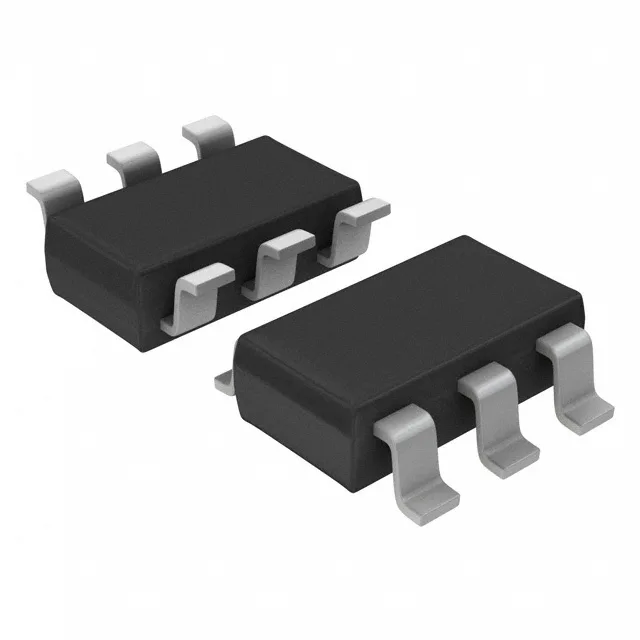
onsemi SRV05-4MR6T1G — Circuit Protection

SRV05-4MR6T1G onsemi Rail-to-Rail TVS Diode Array, 4-Ch

MPNSRV05-4MR6T1G
Active

onsemi SRV05-4MR6T1G, rail-to-rail steering TVS array, 4 unidirectional channels, 5V reverse standoff, 17.5V clamp, 300W peak pulse, 3pF capacitance, SOT-23-6 thin package.

$2.3900Ref. price · indicative, final on quote
Sourced new & surplus through independent channelsAuthenticity-screened · ESD-safe packingListing updated Aug 2026

Specifications

SRV05-4MR6T1G specifications
ParameterValue
TypeSteering (Rail to Rail)
MountingSurface Mount
Voltage - breakdown6V
Voltage - clamping (Max) @ ipp17.5V
Voltage - reverse standoff5V (Max)
Current - peak pulse (10/1000μs)5A (8/20µs)
Power - peak pulse300W
Power line protectionYes
Capacitance @ frequency3pF @ 1MHz
Operating temperature-55°C~125°C(TJ)
PackageTape & Reel (TR); Cut Tape (CT)
ApplicationsGeneral Purpose
CaseSOT-23-6 Thin, TSOT-23-6
Unidirectional channels4

Product details

Rail-to-rail steering for high-speed data lines

The SRV05-4MR6T1G is a steering (rail-to-rail) TVS diode array from onsemi, designed to clamp transient overvoltages on four unidirectional channels while keeping signal integrity intact on high-speed interfaces. With a typical capacitance of just 3 pF at 1 MHz, it loads the data line minimally — a fit for USB 2.0, HDMI, or LVDS paths where added capacitance would round off the signal edges. The 5 V reverse standoff (max) and 17.5 V clamping (max at Ipp) mean it triggers below the damage threshold of 3.3 V and 5 V logic families, shunting the surge to the supply rails.

300 W peak pulse — what it buys you

Rated for 300 W peak pulse power (8/20 µs waveform), the array handles the energy of a typical ESD strike or cable discharge event without the part failing short — the clamp absorbs the transient, not the downstream IC.

SOT-23-6 thin — board-level fit

Frequently asked questions

What is the capacitance of SRV05-4MR6T1G and why does it matter?

Typical capacitance is 3 pF at 1 MHz. That low value means the diode array adds negligible loading to high-speed data lines — critical for preserving signal rise times on USB 2.0, HDMI, or Ethernet interfaces where higher capacitance would degrade eye diagrams.