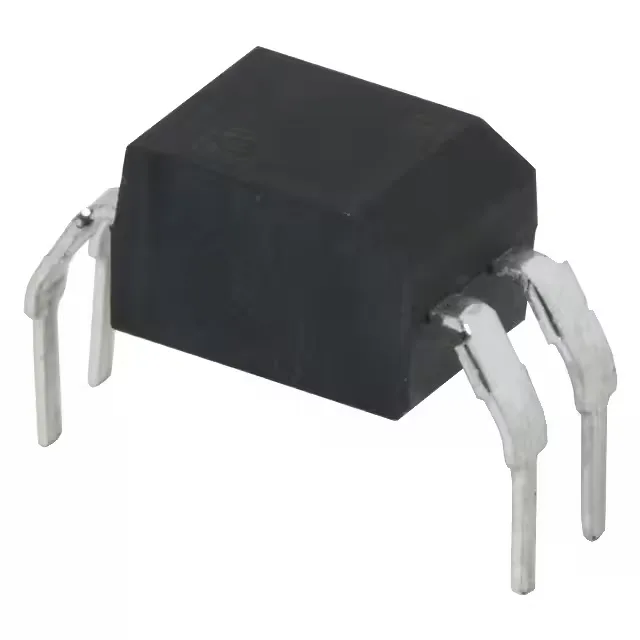
onsemi H11A617CW — Optoisolators

H11A617CW onsemi Optoisolator, 5300Vrms, 4-DIP, Obsolete

MPNH11A617CW
Obsolete

onsemi H11A617CW optoisolator, 1-channel DC input, transistor output, 5300Vrms isolation, 4-DIP through hole, 100-200% CTR at 10mA.

Independent supplier — new & surplus stockAuthenticity-screened · ESD-safe packingListing updated Jul 2026

Specifications

H11A617CW specifications
ParameterValue
Input typeDC
Output typeTransistor
MountingThrough Hole
Voltage - isolation5300Vrms
Voltage - output70V
Voltage - forward (Vf)1.35V
Current - output (Channel)50mA
Current transfer ratio200% @ 10mA
Current - DC forward (If)50 mA
Operating temperature-55°C~100°C
PackageBox
Case4-DIP (0.400\", 10.16mm)
Channels1
Vce saturation400mV
Rise (Fall time)2.4µs, 2.4µs

Product details

Isolation and CTR — what they mean for the BOM

The H11A617CW: Rated for 5300Vrms isolation, this optocoupler provides reinforced galvanic separation between a DC input and a transistor output — suited for safety barriers in industrial control or power-supply feedback loops where the primary and secondary must not share a ground path. Current transfer ratio (CTR) is specified at 100% min to 200% max at 10 mA forward current — a tight bin that guarantees the output transistor saturates with minimal variation across temperature and over the part's life. Output transistor can handle up to 70 V and 50 mA continuous, with a Vce saturation of 400 mV max — enough to drive a logic input or a small relay coil directly.

Operating temperature range of -55°C to 100°C covers industrial and some automotive under-hood environments; the 2.4 µs typical rise/fall time limits switching to below ~200 kHz, adequate for 50/60 Hz line sensing or low-speed digital isolation.

Frequently asked questions

What is the closest pin-compatible alternative to H11A617CW in this Optoisolators family?

No official successor is listed by onsemi. The standard 4-DIP footprint is shared by many optocouplers (e.g., 4N25, 4N35, PC817 families), but CTR binning and isolation voltage differ — confirm the BOM's CTR and isolation requirements before substituting.