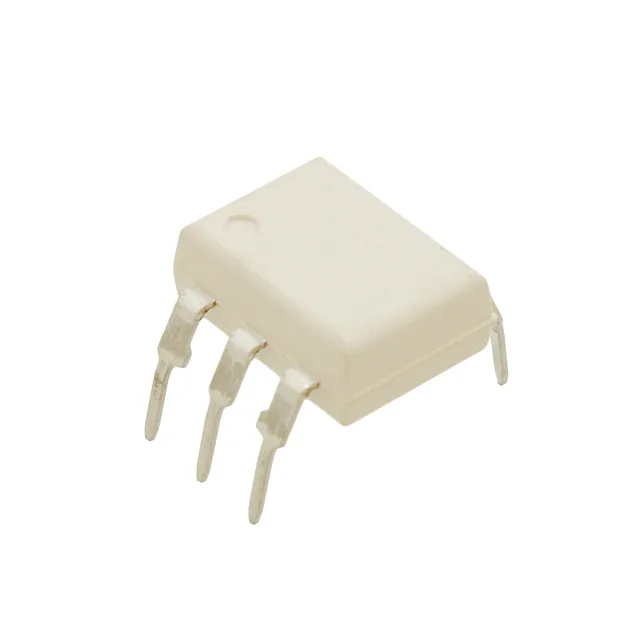
onsemi 4N26W — Optoisolators

onsemi 4N26W Optoisolator, 5300Vrms, 6-DIP, Obsolete

MPN4N26W
Obsolete

onsemi 4N26W single-channel optoisolator, DC input, transistor with base output, 5300Vrms isolation, 20% min CTR at 10mA, 6-DIP through-hole package, tube.

$0.2167Ref. price · indicative, final on quote
Independent supplier — new & surplus stockAuthenticity-screened · ESD-safe packingListing updated Jul 2026

Specifications

4N26W specifications
ParameterValue
Input typeDC
Output typeTransistor with Base
MountingThrough Hole
Voltage - isolation5300Vrms
Voltage - output30V
Voltage - forward (Vf)1.18V
Current transfer ratio20% @ 10mA
Current - DC forward (If)100 mA
Operating temperature-55°C ~ 100°C
PackageTube
Case6-DIP (0.400\", 10.16mm)
Channels1
Vce saturation500mV
Turn on (Turn off time)2µs, 2µs

Product details

The 4N26W is listed as Obsolete by onsemi. Quantities are lot-specific and confirmed at RFQ — no stock-holding claim is made here.

Isolation and switching performance

Rated for 5300Vrms isolation between input and output, the 4N26W provides galvanic separation for signal paths in industrial controls, power supplies, and motor drive feedback circuits where transient immunity matters. Minimum current transfer ratio is 20% at 10 mA forward current — this sets the minimum LED drive needed to guarantee the output transistor saturates. Typical turn-on and turn-off times are 2 µs each, making it suitable for low-frequency switching and status feedback rather than high-speed data links.

Package and temperature range

Maximum forward current is 100 mA DC; the typical forward voltage at rated current is 1.18 V. Output side handles up to 30 V with a saturation voltage of 500 mV max.

Frequently asked questions

What is the closest pin-compatible alternative to 4N26W?

No official pin-compatible successor is recorded from onsemi. The base product number 4N26 covers a family of similar optoisolators, but each variant may differ in CTR binning or package marking. For a drop-in replacement, verify the pinout and electrical ratings against the original BOM requirement.