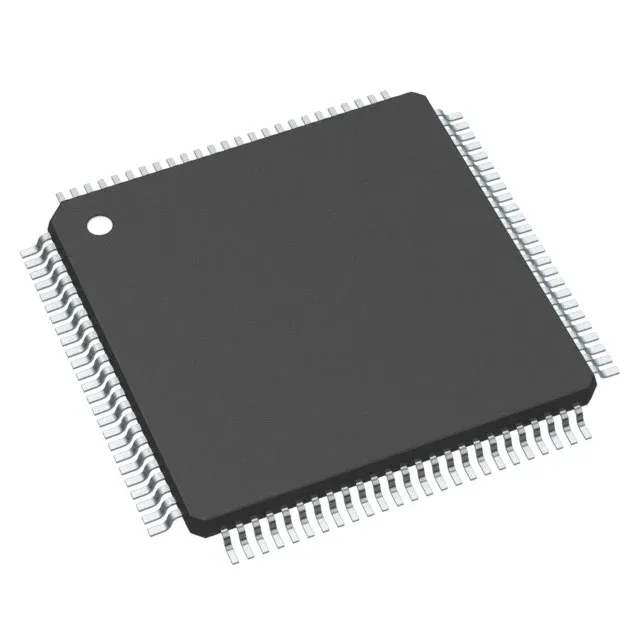
NXP USA Inc. LPC5528JBD100K — Microcontrollers & Processors (MCU / MPU / DSP)

NXP LPC5528JBD100K ARM Cortex-M33 MCU, 150 MHz

MPNLPC5528JBD100K
Active

NXP LPC552x series, ARM Cortex-M33 32-bit single-core MCU, LPC5528JBD100K, 150 MHz, 512 KB Flash, 256 KB SRAM, 1.8 V–3.6 V supply, 64 I/O, 100-HLQFP (14×14 mm), -40°C to 105°C, USB Full-Speed, 10×16-bit A/D, Flexcomm peripherals, tray.

$10.0200Ref. price · indicative, final on quote
Independent supplier — new & surplus stockAuthenticity-screened · ESD-safe packingListing updated Jul 2026

Specifications

LPC5528JBD100K specifications
ParameterValue
SeriesLPC552x
MountingSurface Mount
Oscillator typeInternal
Program memory typeFLASH
Voltage - supply (Vcc (Vdd))1.8V ~ 3.6V
Operating temperature-40°C~105°C(TA)
Speed150MHz
PackageTray
RAM size256K x 8
Core size32-Bit Single-Core
PeripheralsBrown-out Detect/Reset, DMA, I²S, POR, PWM, WDT
ConnectivityFlexcomm, I²C, MMC/SD/SDIO, SPI, UART/USART, USB
Number of i (O)64
Core processorARM® Cortex®-M33
Case100-LQFP Exposed Pad
Data convertersA/D 10x16b
Program memory size512KB (512K x 8)

Product details

The NXP LPC5528JBD100K is a 32-bit ARM Cortex-M33 single-core microcontroller running at 150 MHz, with 512 KB Flash and 256 KB SRAM. It belongs to the LPC552x series and is built for industrial-temperature environments (-40°C to 105°C). The 150 MHz clock, combined with the single-cycle multiply and hardware divide of the Cortex-M33, gives this part enough headroom for real-time control loops and protocol stacks running concurrently — think motor-fieldbus gateways or multi-axis servo coordination where the CPU handles both the application and the communication stack without a separate host.

Flexcomm peripherals and I/O budget

Flexcomm modules can be assigned as UART, I²C, or SPI, so the 64 I/O lines can be tailored to the needed serial bus mix.

Frequently asked questions

What is the core speed of the LPC5528JBD100K?

The ARM Cortex-M33 core runs at 150 MHz, which provides enough throughput for real-time control loops and concurrent protocol stacks.