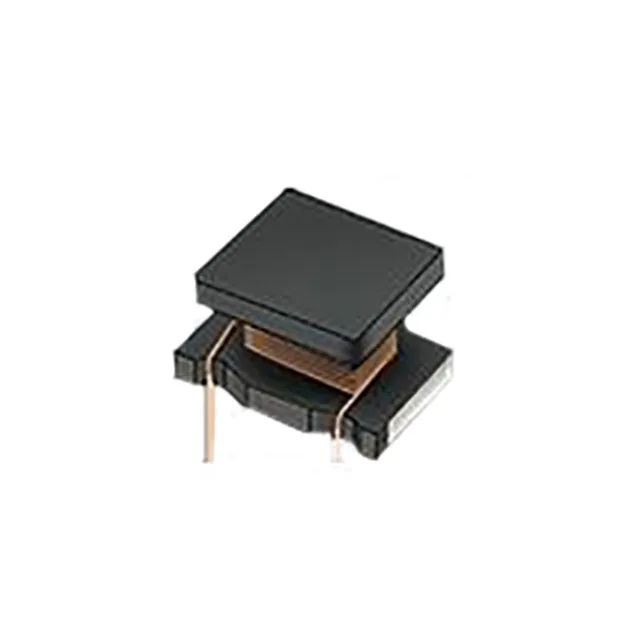
Murata Electronics LQH32PB4R7NN0L — Inductors & Chokes

Murata LQH32PB4R7NN0L 4.7 µH Shielded Inductor, 1 A

MPNLQH32PB4R7NN0L
Active

Murata Electronics LQH32 series, Drum Core Wirewound Inductor, 4.7 µH, ±30%, Shielded, 1 A, 180 mOhm, 1210 (3225 Metric), LQH32PB4R7NN0L.

$0.4100Ref. price · indicative, final on quote
Sourced new & surplus through independent channelsAuthenticity-screened · ESD-safe packingListing updated Aug 2026

Specifications

LQH32PB4R7NN0L specifications
ParameterValue
TypeDrum Core, Wirewound
SeriesLQH32
MountingSurface Mount
Current rating1 A
Current - saturation1A
Frequency - self resonant40MHz
Inductance frequency - test1 MHz
Operating temperature-40°C ~ 105°C
Material - coreFerrite
Size (Dimension)0.126\" L x 0.098\" W (3.20mm x 2.50mm)
Height - seated0.067\" (1.70mm)
PackageTape & Reel (TR) Cut Tape (CT)
ShieldingShielded
Tolerance±30%
Inductance4.7 µH
CaseNonstandard
DC resistance180mOhm

Product details

4.7 µH, 1 A, Shielded — DC-DC Filtering Fit

The Murata LQH32PB4R7NN0L is a 4.7 µH shielded wirewound inductor in the LQH32 series, built on a ferrite core with a 1210 (3225 metric) footprint. It is rated for 1 A continuous current and saturates at the same 1 A threshold, with a DC resistance of 180 mOhm. The 1 A saturation current and 180 mOhm DCR set the usable DC bias limit — above 1 A the inductance rolls off, and the 180 mOhm contributes 180 mW of I²R loss at full rated current, which the 105°C operating ceiling must absorb.

Self-Resonant Frequency and Tolerance

Self-resonant frequency is 40 MHz, well above typical DC-DC switching frequencies (500 kHz–2 MHz), so the inductor behaves as a pure inductive element in the converter's passband. The ±30% tolerance is standard for power-grade ferrite inductors — the actual inductance at bias may shift, but the saturation rating is the hard limit.

Frequently asked questions

What is the self-resonant frequency of LQH32PB4R7NN0L?

The self-resonant frequency is 40 MHz, well above typical DC-DC switching frequencies, ensuring inductive behavior in the converter's passband.