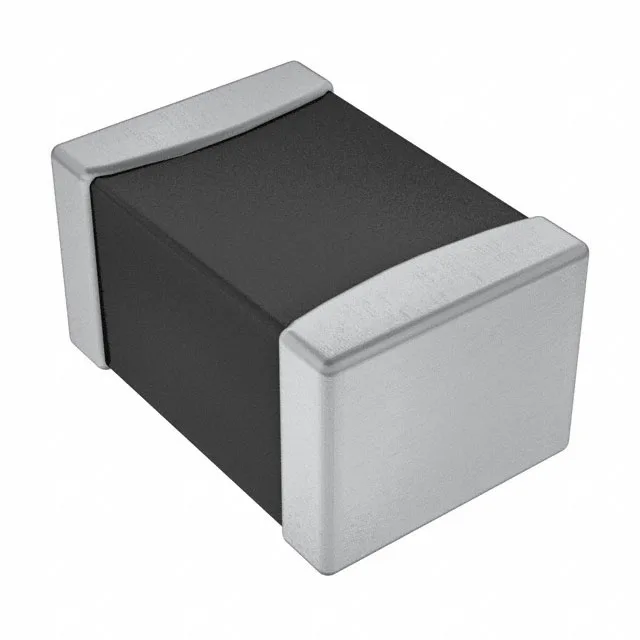
Murata Electronics BLM15BD601SN1D — EMI Filters & Ferrite Beads

Murata BLM15BD601SN1D Ferrite Bead, 600 Ohms @ 100 MHz, 0402

MPNBLM15BD601SN1D
Active

Murata Electronics EMIFIL®, BLM15 series ferrite bead, 0402 (1005 Metric), 600 Ohms @ 100 MHz, 200 mA, 650 mOhm DCR, Signal Line, -55°C ~ 125°C, Tape & Reel.

$0.1000Ref. price · indicative, final on quote
Sourced new & surplus through independent channelsAuthenticity-screened · ESD-safe packingListing updated Aug 2026

Specifications

BLM15BD601SN1D specifications
ParameterValue
SeriesEMIFIL®, BLM15
Filter typeSignal Line
MountingSurface Mount
Current rating200mA
Impedance @ frequency600 Ohms @ 100 MHz
Operating temperature-55°C ~ 125°C
Height0.022\" (0.55mm)
Size (Dimension)0.039\" L x 0.022\" W (1.00mm x 0.55mm)
PackageTape & Reel (TR) Cut Tape (CT)
Case0402 (1005 Metric)
Number of lines1
DC resistance (DCR)650mOhm

Product details

600 Ohms at 100 MHz — the suppression point

The BLM15BD601SN1D is a single-line ferrite bead from Murata's EMIFIL BLM15 series, delivering 600 Ohms impedance at 100 MHz. That impedance peak sits right where conducted EMI from switching regulators and digital clocks radiates — the bead turns that energy into heat instead of letting it ride the trace out to the cable or antenna.

Current ceiling and DC penalty

Rated for 200 mA continuous current — push past that and the ferrite material saturates, dropping the effective impedance. The 650 mOhm max DCR means a 130 mV drop at full rated current, which matters if the rail is tight on margin.

Temperature range and rework reality

The 0402 package (1.00 mm x 0.55 mm) is small enough that the hot-air rework profile is forgiving: the part reaches reflow temperature before the adjacent components do, so you can lift it without disturbing the neighbour. Pin 1 is marked by the orientation dot on the top face — check it under magnification before placing, because at this size the dot is easy to miss.

Frequently asked questions

What does 600 Ohms at 100 MHz mean for my circuit?

It means the bead presents 600 Ohms of impedance at 100 MHz, which is the typical frequency range for conducted EMI from switching converters and digital harmonics. Below that frequency the impedance drops off — the bead does not suppress lower-frequency ripple or DC line noise.

What is the maximum DC resistance and why does it matter?

The max DCR is 650 mOhm. At the 200 mA current rating, that produces a 130 mV voltage drop across the bead. For low-voltage rails (1.8 V or below), this drop can eat into the operating margin and should be factored into the supply budget.