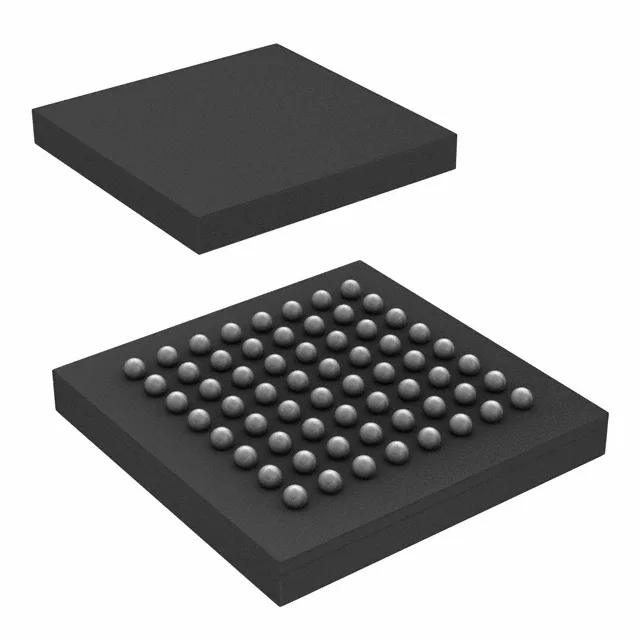
Microchip Technology ZL30145GGG2 — Discrete Semiconductors

Microchip ZL30145GGG2 DPLL, 622.08MHz, 64-CABGA

MPNZL30145GGG2
End of Life

Microchip Technology ZL30145GGG2 DPLL, Ethernet/SONET/SDH/Telecom, PLL Yes, Input Clock, Output Clock, 622.08MHz max, 1 circuit, 1:3 ratio, 64-CABGA, Tray.

$26.96Ref. price · indicative, final on quote
Packaging64-BGA
RoHSROHS3 Compliant
Independent supplier — new & surplus stockAuthenticity-screened · ESD-safe packingListing updated Aug 2026

Specifications

ZL30145GGG2 specifications
ParameterValue
MountingSurface Mount
Frequency - max622.08MHz
Operating temperature-40°C ~ 85°C
PLLYes
InputClock
OutputClock
PackageTray
Main purposeEthernet, SONET/SDH, Telecom
Case64-BGA
Number of circuits1
Ratio - Input:Output1:3
Differential - Input:OutputNo/Yes

Product details

622.08 MHz DPLL for line-card timing

The ZL30145GGG2: This is a digital PLL (DPLL) with a 622.08 MHz maximum output frequency — the exact rate for OC-12/STM-4 in SONET/SDH transport. The 1:3 input-to-output ratio means one reference clock feeds three synthesized outputs, which is typical for fanning timing to multiple line-card PHYs or framers. The differential output (No/Yes) means the input side accepts single-ended clock references while the output side drives differential signals — CML or LVPECL levels, depending on the downstream load. That saves an external clock buffer when the PHY expects a differential input. The 64-CABGA (9x9 mm) package is a standard BGA footprint — 0.8 mm pitch typical for this ball count, which a 4-layer board can route without microvias.

Compliance and documentation

The standard compliance package (RoHS, REACH, conflict minerals reporting) is available with the shipment documentation.

Frequently asked questions

Who supplies ZL30145GGG2 and how is it quoted for volume purchases?

Sourced through independent distribution against an RFQ.

What is ZL30145GGG2's listed PLL on this Discrete Semiconductors line?

The PLL field is Yes — this is a digital PLL (DPLL) device, not a standalone VCO or clock buffer. It synthesizes output clocks from an input reference using an internal loop filter.