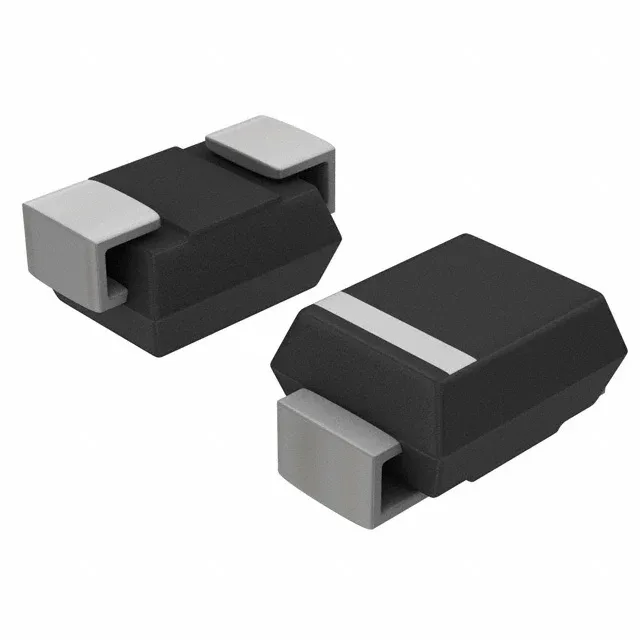
Microchip Technology SMCJ40CAE3/TR13 — Circuit Protection

SMCJ40CAE3/TR13 TVS Diode – 40V Bidirectional

MPNSMCJ40CAE3/TR13
Active

Microchip Technology SMCJ40CAE3/TR13, Zener TVS Diode, Bidirectional, 40V Reverse Standoff, 64.5V Clamping, 1500W Peak Pulse, DO-214AB (SMC) Surface Mount, Tape & Reel

$0.8250Ref. price · indicative, final on quote
Sourced new & surplus through independent channelsAuthenticity-screened · ESD-safe packingListing updated Aug 2026

Specifications

SMCJ40CAE3/TR13 specifications
ParameterValue
TypeZener
MountingSurface Mount
Voltage - breakdown44.4V
Voltage - clamping (Max) @ ipp64.5V
Voltage - reverse standoff40V
Current - peak pulse (10/1000μs)23.2A
Power - peak pulse1500W (1.5kW)
Power line protectionNo
Operating temperature-65°C~150°C(TJ)
PackageTape & Reel (TR)
ApplicationsGeneral Purpose
CaseDO-214AB, SMC
Bidirectional channels1

Product details

40V Bidirectional TVS in DO-214AB – Surge Protection for 24V Rails and Signal Lines

The SMCJ40CAE3/TR13 is a bidirectional Zener TVS diode from Microchip Technology, rated for 1500 W peak pulse power (10/1000 µs waveform) with a reverse standoff voltage of 40 V. The 64.5 V clamping voltage at 23.2 A peak pulse current defines the upper voltage the protected circuit sees during a surge — important when the downstream silicon has a 60 V absolute maximum rating. The single bidirectional channel clamps both polarities, so one device replaces two unidirectional TVS diodes in anti-series on AC or bipolar signal lines.

Clamping Voltage and Peak Current – Matching the TVS to the Protected Rail

The 40 V reverse standoff is the maximum continuous DC voltage the TVS will not conduct at; for a nominal 24 V DC rail this provides healthy margin, but a 48 V rail exceeds it and the device would leak. The minimum breakdown voltage is 44.4 V, so the TVS starts clamping just above the standoff. The clamping voltage of 64.5 V at 23.2 A peak pulse current is the worst-case voltage the load sees — verify this stays below the absolute maximum rating of the protected ICs. For a 24 V system the margin is generous; for a 36 V rail the 64.5 V clamp may stress 40 V-rated parts.

Active Production – No End-of-Life Risk for Current BOMs

Sourced to order against the RFQ quantity — no stock-holding claim, but the active status means no last-time-buy pressure.

Temperature Range and Package – Suitability for Harsh Environments

Frequently asked questions

What is the difference between SMCJ40CA and SMCJ40CAE3?

The SMCJ40CAE3 suffix '' indicates Microchip Technology's lead-free / RoHS-compliant plating finish. The SMCJ40CA (without) is the tin-lead version. Both share the same electrical ratings: 40 V reverse standoff, 64.5 V clamping, 1500 W peak pulse. The variant is the current standard for RoHS-compliant assembly lines.

Can SMCJ40CAE3/TR13 be used for 24V systems?

Yes. The 40 V reverse standoff is well above a nominal 24 V DC rail, so the TVS will not conduct during normal operation. The 64.5 V clamping voltage provides a comfortable margin below the typical 60 V absolute maximum rating of 24 V-rated downstream ICs. For a 24 V AC signal line, the bidirectional channel clamps both polarities with a single device.

What is the closest pin-compatible alternative to SMCJ40CAE3/TR13 in this Circuit Protection family?

Within the SMCJ family, the SMCJ40A (unidirectional) and SMCJ40CA (bidirectional, tin-lead) share the same DO-214AB (SMC) footprint and the same 40 V standoff / 1500 W ratings. The SMCJ40CAE3/TR13 is the RoHS-compliant bidirectional variant. If you need a different standoff voltage, the SMCJ series covers 5 V to 170 V in the same package.