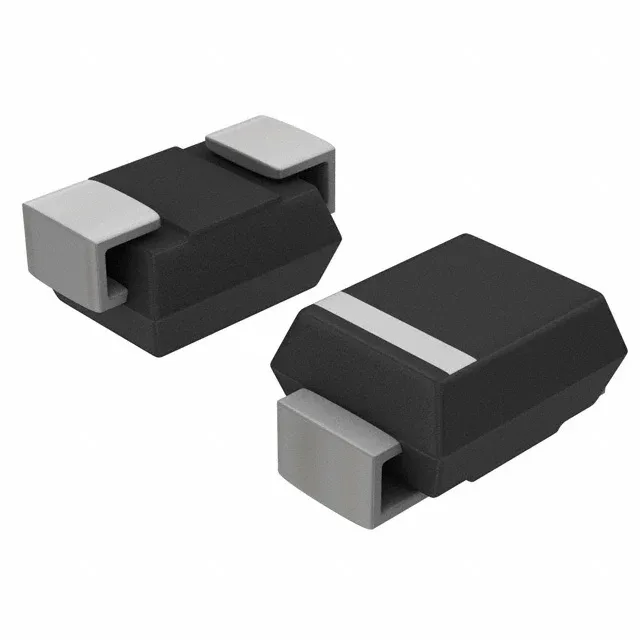
Microchip Technology SMCJ11E3/TR13 — Circuit Protection

SMCJ11E3/TR13 TVS Diode – 1500W, 11V Standoff, DO-214AB

MPNSMCJ11E3/TR13
Active

Microchip Technology SMCJ11E3/TR13, Zener TVS diode, 1500W peak pulse power, 11V reverse standoff, 20.1V clamping, DO-214AB surface mount, Tape & Reel

$0.5550Ref. price · indicative, final on quote
Sourced new & surplus through independent channelsAuthenticity-screened · ESD-safe packingListing updated Aug 2026

Specifications

SMCJ11E3/TR13 specifications
ParameterValue
TypeZener
MountingSurface Mount
Voltage - breakdown12.2V
Voltage - clamping (Max) @ ipp20.1V
Voltage - reverse standoff11V
Current - peak pulse (10/1000μs)74.6A
Power - peak pulse1500W (1.5kW)
Power line protectionNo
Operating temperature-65°C~150°C(TJ)
PackageTape & Reel (TR)
ApplicationsGeneral Purpose
CaseDO-214AB, SMC
Unidirectional channels1

Product details

Surge protection for a 12V rail

Its 11V reverse standoff voltage means the diode does not conduct at the normal 12V bus voltage, but triggers when the line exceeds the 12.2V minimum breakdown.

Rated at 1500W peak pulse power, this diode absorbs a single 10/1000µs transient up to that level without failing. In a 12V system, that translates to clamping a 74.6A surge — enough for most automotive load-dump and inductive kickback events.

Frequently asked questions

Can SMCJ11E3/TR13 protect a 12V rail?

Yes. The 11V reverse standoff voltage sits below the 12V nominal rail, so the diode is non-conducting during normal operation. This keeps the protected circuitry within typical 12V-system abs-max limits during a surge.

What is the difference between SMCJ11E3/TR13 and SMCJ11CA?

For a 12V DC rail with a defined ground reference, the unidirectional part is the correct choice — it clamps only the positive transient and does not add capacitance from a second Zener junction. The breakdown and clamping voltages are the same between the two variants.