What this TVS diode protects and how it clamps
Its 77.8V minimum breakdown voltage and 125V maximum clamping at 4.8A peak pulse current define the protection window: the rail sees no clamping below 77.8V, and the clamp holds the spike to 125V at the rated 10/1000µs surge. Rated for 600W peak pulse power under the 10/1000µs waveform, this part handles moderate industrial surges — think inductive load switching or lightning-induced transients on a 48V to 70V DC bus. The bidirectional configuration means a single device protects both polarities, saving board space compared to back-to-back unipolar diodes.
Package, temperature range, and mounting
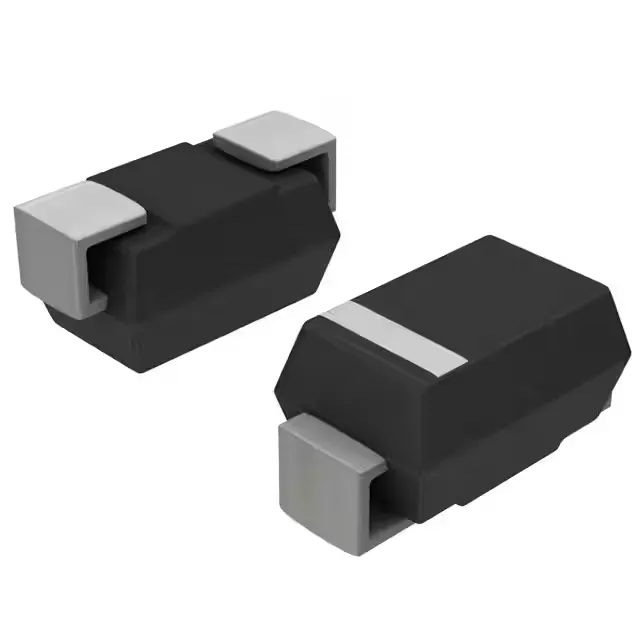
The -65°C to 150°C junction temperature range exceeds commercial limits, making it suitable for outdoor telecom cabinets, industrial motor drives, or under-hood automotive electronics where ambient temperatures can push past 85°C. The SMB footprint is common across the SMBJ family — if you already have a layout for a 5.0V or 12V SMBJ part, this 70V variant drops in without a board spin.
The base product number SMBJ70 covers the whole voltage family; the suffix indicates the bidirectional configuration. No official second-source or cross-reference is published by Microchip. For a pin-compatible alternative, look at other SMBJ70 bidirectional TVS diodes from Littelfuse or Vishay — same DO-214AA footprint, same 70V standoff, but verify the clamping voltage and peak pulse current against your surge requirement.