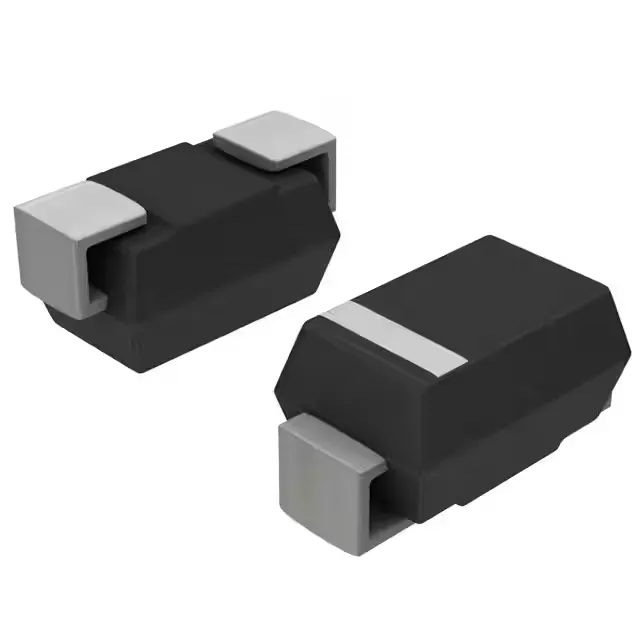
Microchip Technology SMBJ58E3/TR13 — Circuit Protection

SMBJ58E3/TR13 Zener TVS Diode – 58 V Standoff, 600 W

MPNSMBJ58E3/TR13
Active

Microchip Technology SMBJ58E3/TR13 Zener TVS diode, 58 V reverse standoff, 64.4 V breakdown, 103 V clamp, 600 W peak pulse power, unidirectional, DO-214AA (SMB) surface-mount package, Tape & Reel.

$0.2850Ref. price · indicative, final on quote
Independent supplier — new & surplus stockAuthenticity-screened · ESD-safe packingListing updated Aug 2026

Specifications

SMBJ58E3/TR13 specifications
ParameterValue
TypeZener
MountingSurface Mount
Voltage - breakdown64.4V
Voltage - clamping (Max) @ ipp103V
Voltage - reverse standoff58V
Current - peak pulse (10/1000μs)5.8A
Power - peak pulse600W
Power line protectionNo
Operating temperature-65°C~150°C(TJ)
PackageTape & Reel (TR)
ApplicationsGeneral Purpose
CaseDO-214AA, SMB
Unidirectional channels1

Product details

What the 58 V standoff and 103 V clamp mean for your rail

The SMBJ58E3/TR13 is a Zener-type TVS diode from Microchip, designed to protect a single unidirectional rail. The reverse standoff voltage of 58 V means the part draws negligible leakage below that level — your 48 V or 56 V nominal bus stays quiet. When a transient pushes the line past the minimum breakdown of 64.4 V, the diode avalanches and clamps the surge to 103 V maximum at the rated peak pulse current of 5.8 A. That clamp ceiling is the number to compare against the absolute maximum rating of your downstream MOSFET, controller, or regulator.

Pulse power and thermal margin

The product status is Active, meaning no end-of-life notice is in effect; standard lead times apply through distribution.

Frequently asked questions

What is the price of SMBJ58E3/TR13?

Pricing directly impacts BOM cost and sourcing decisions, especially for volume orders.

Where can I buy SMBJ58E3/TR13?

Finding a reliable distributor with stock is critical to avoid project delays.

What is the lead time for SMBJ58E3/TR13?

Lead time affects production planning and can cause bottlenecks if too long.

Is SMBJ58E3/TR13 obsolete or active?

Lifecycle status determines whether the part can be used in new designs or may require a substitute.

What is the replacement for SMBJ58E3/TR13?

If the part is unavailable, engineers need a compatible substitute to keep designs viable.

What is the difference between SMBJ58E3/TR13 and SMBJ58A?

Designers need to ensure parameter differences don't affect circuit protection performance.