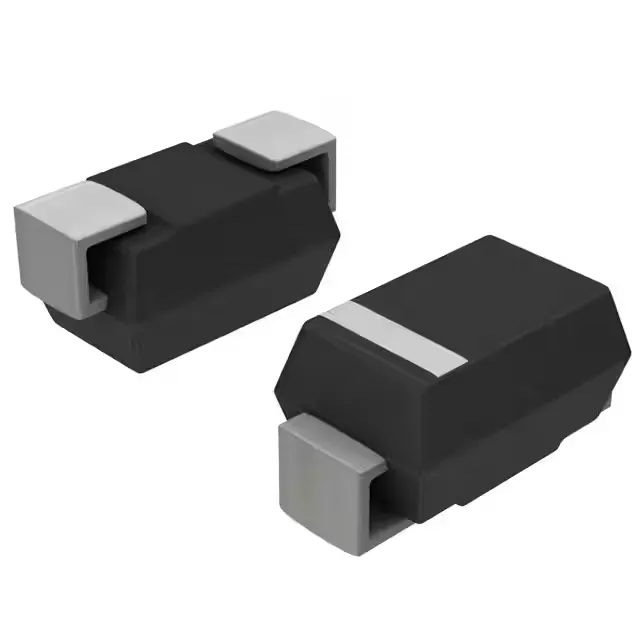
Microchip Technology SMBJ17CE3/TR13 — Circuit Protection

SMBJ17CE3/TR13 TVS Diode – 17V Standoff, 600W

MPNSMBJ17CE3/TR13
Active

Microchip Technology SMBJ17CE3/TR13, Zener TVS Diode, 17V Reverse Standoff, 600W Peak Pulse Power, DO-214AA (SMB) Surface Mount Package

$0.3000Ref. price · indicative, final on quote
Independent supplier — new & surplus stockAuthenticity-screened · ESD-safe packingListing updated Aug 2026

Specifications

SMBJ17CE3/TR13 specifications
ParameterValue
TypeZener
MountingSurface Mount
Voltage - breakdown18.9V
Voltage - clamping (Max) @ ipp30.5V
Voltage - reverse standoff17V
Current - peak pulse (10/1000μs)19.7A
Power - peak pulse600W
Power line protectionNo
Operating temperature-65°C~150°C(TJ)
PackageTape & Reel (TR)
ApplicationsGeneral Purpose
CaseDO-214AA, SMB
Bidirectional channels1

Product details

What the 17V standoff and 30.5V clamp mean for your rail

When a transient hits, it clamps at 30.5V maximum while shunting 19.7A of peak pulse current in the standard 10/1000µs waveform. For a 17V bus — say a 12V system with margin or a 15V regulated rail — the standoff gives you headroom before the diode starts to leak. The clamp at 30.5V means downstream components rated for 30V or higher survive the transient.

Package and mounting — DO-214AA SMB on tape and reel

The DO-214AA (SMB) package is a standard surface-mount outline for TVS diodes. The /TR13 suffix confirms it ships on Tape & Reel, which is the format pick-and-place lines expect.

Microchip lists the SMBJ17CE3/TR13 as Active.

Frequently asked questions

Is SMBJ17CE3/TR13 bidirectional?

Yes, it is a single bidirectional channel, meaning it clamps both positive and negative transients symmetrically. That makes it a direct fit for AC-coupled signal lines or DC rails where reverse polarity protection is not already in place.

What is the closest pin-compatible alternative in the same family?

Within the SMBJ series, the SMBJ17A (unidirectional) and SMBJ17CA (bidirectional) share the same DO-214AA footprint and 17V standoff. The key difference is the clamping voltage and peak current — check the specific datasheet values for your transient energy budget.