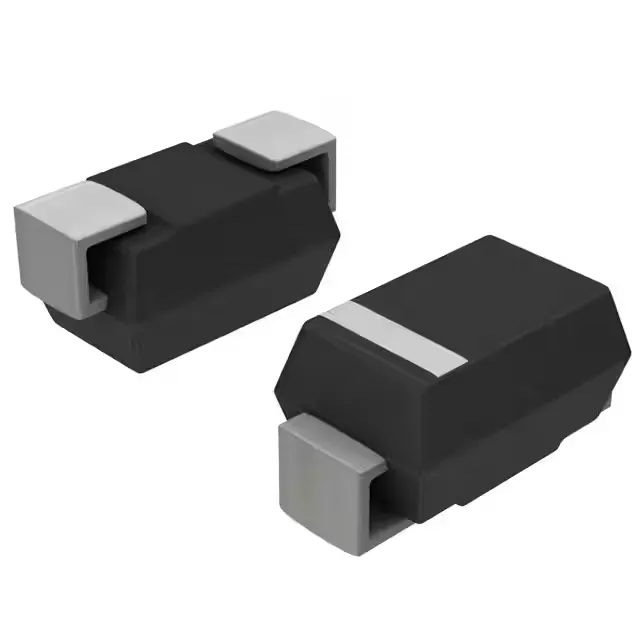
Microchip Technology SMBJ17AE3/TR13 — Circuit Protection

SMBJ17AE3/TR13 TVS Diode – 18.9V Breakdown, 27.6V Clamp

MPNSMBJ17AE3/TR13
Active

Microchip Technology SMBJ17AE3/TR13, Zener TVS diode, 600W peak pulse power, 17V reverse standoff, 18.9V min breakdown, 27.6V max clamping, single unidirectional channel, DO-214AA (SMB) surface-mount package, Tape & Reel.

$0.2850Ref. price · indicative, final on quote
Sourced new & surplus through independent channelsAuthenticity-screened · ESD-safe packingListing updated Aug 2026

Specifications

SMBJ17AE3/TR13 specifications
ParameterValue
TypeZener
MountingSurface Mount
Voltage - breakdown18.9V
Voltage - clamping (Max) @ ipp27.6V
Voltage - reverse standoff17V
Current - peak pulse (10/1000μs)21.7A
Power - peak pulse600W
Power line protectionNo
Operating temperature-65°C~150°C(TJ)
PackageTape & Reel (TR)
ApplicationsGeneral Purpose
CaseDO-214AA, SMB
Unidirectional channels1

Product details

18.9V breakdown — the threshold that decides if the rail survives

Its minimum breakdown voltage is 18.9V, meaning it starts conducting just above the normal operating voltage — a common choice for 15V or 16V regulated supplies where the rail tolerance is tight. The clamping ceiling is 27.6V at the rated peak pulse current of 21.7A (10/1000µs waveform). That 27.6V clamp is the number the downstream silicon sees; if your IC's absolute max is 30V, this part buys you 2.4V of headroom at the surge peak.

The DO-214AA (SMB) package keeps the footprint small, but the board copper area under the cathode tab directly affects the thermal impedance; a skimpy pad will raise the junction temperature and reduce the effective pulse capability.

Active production — no EOL scramble needed

Microchip lists the SMBJ17AE3/TR13 as Active. No last-time-buy window, no successor to evaluate.

Frequently asked questions

What is the difference between SMBJ17AE3 and SMBJ17A?

The suffix on SMBJ17AE3/TR13 indicates a lead-free, RoHS-compliant finish (Microchip's designation). The SMBJ17A (without) typically uses a tin-lead (SnPb) plating. Electrical specs — breakdown, clamping, standoff — are identical between the two. If your assembly line is RoHS-only, the variant is the correct pick.