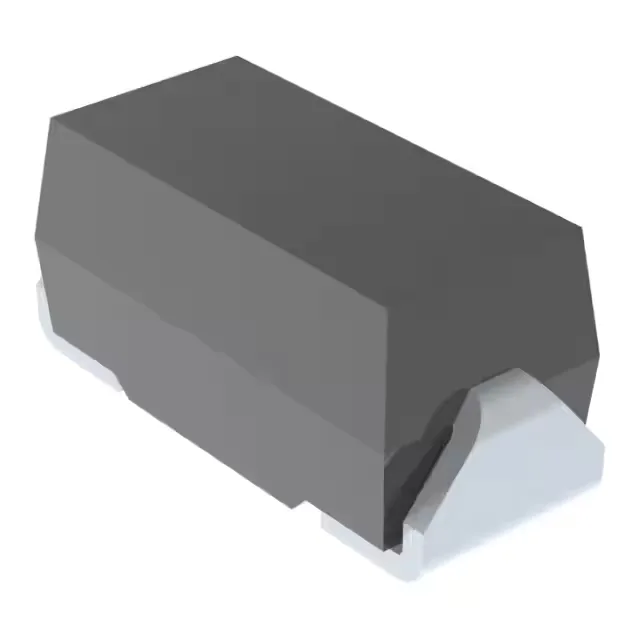
Microchip Technology SMAJ10CAE3/TR13 — Circuit Protection

SMAJ10CAE3/TR13 TVS Diode – 10V Standoff, 500W, DO-214AC

MPNSMAJ10CAE3/TR13
Active

Microchip Technology SMAJ10CAE3/TR13, bidirectional Zener TVS, 10V reverse standoff, 11.1V min breakdown, 17V clamp at 29.4A, 500W peak pulse power, DO-214AC (SMA) surface mount package.

$0.3450Ref. price · indicative, final on quote
Sourced new & surplus through independent channelsAuthenticity-screened · ESD-safe packingListing updated Aug 2026

Specifications

SMAJ10CAE3/TR13 specifications
ParameterValue
TypeZener
MountingSurface Mount
Voltage - breakdown11.1V
Voltage - clamping (Max) @ ipp17V
Voltage - reverse standoff10V
Current - peak pulse (10/1000μs)29.4A
Power - peak pulse500W
Power line protectionNo
Operating temperature-65°C~150°C(TJ)
PackageTape & Reel (TR)
ApplicationsGeneral Purpose
CaseDO-214AC, SMA
Bidirectional channels1

Product details

10V rail protection in a single SMA package

Its reverse standoff voltage is 10V, so the device does not leak or conduct at the normal operating voltage. Breakdown starts at 11.1V min, and the clamp voltage is 17V max at the rated peak pulse current of 29.4A. That three-number window — 10V standoff, 11.1V breakdown, 17V clamp — is the entire protection profile for a 10V supply or signal line.

500W peak pulse — where it fits and where it does not

It is not intended for primary-side surge at the mains input; that duty typically calls for a 1500W or higher device in a larger package. The DO-214AC (SMA) body keeps the footprint small, which helps on dense boards but limits the copper area available for heat sinking during repetitive events.

Temperature range and production status

The -65°C low end suits cold-soak in outdoor or avionics environments; the 150°C ceiling allows placement near hot components without derating the transient capability.

Frequently asked questions

Is SMAJ10CAE3/TR13 a bidirectional TVS?

Yes, it is a single-channel bidirectional TVS. It clamps transients of either polarity symmetrically, which is the right choice for AC-coupled or bipolar signal lines. A unidirectional part would require two devices in anti-series to achieve the same protection.