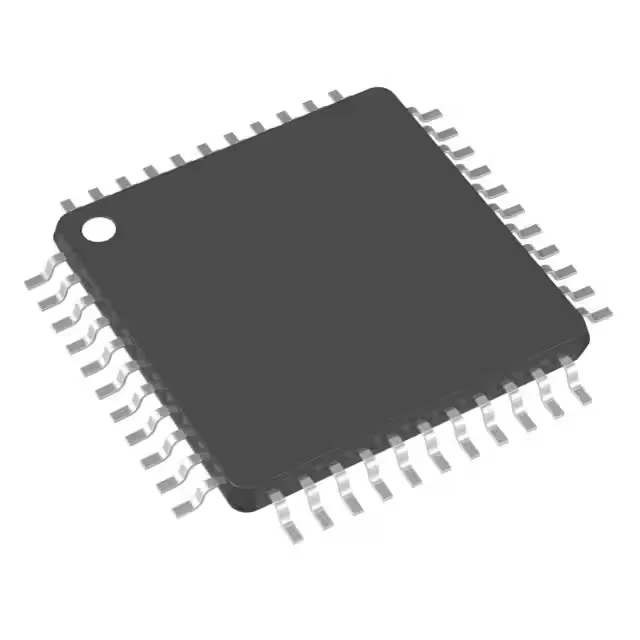
Microchip Technology PIC18F4580T-I/PT — Microcontrollers & Processors (MCU / MPU / DSP)

PIC18F4580T-I/PT Microchip 8-bit MCU, 40MHz, 32KB Flash, CAN

MPNPIC18F4580T-I/PT
Active

Microchip PIC® 18F PIC18F4580T-I/PT, 8-bit MCU, 40MHz, 32KB Flash, 1.5KB x 8 RAM, 256 x 8 EEPROM, CAN 2.0, I²C, SPI, UART, 36 I/O, 11x10-bit ADC, -40°C to 85°C, 44-TQFP.

$9.5000Ref. price · indicative, final on quote
Packaging44-TQFP
RoHSRoHS non-compliant
SeriesPIC® 18F
Independent supplier — new & surplus stockAuthenticity-screened · ESD-safe packingListing updated Jul 2026

Specifications

PIC18F4580T-I/PT specifications
ParameterValue
SeriesPIC® 18F
MountingSurface Mount
Oscillator typeInternal
Program memory typeFLASH
Voltage - supply (Vcc (Vdd))4.2V ~ 5.5V
Operating temperature-40°C~85°C(TA)
Speed40MHz
PackageTape & Reel (TR); Cut Tape (CT)
RAM size1.5K x 8
Core size8-Bit
EEPROM size256 x 8
PeripheralsBrown-out Detect/Reset, HLVD, POR, PWM, WDT
ConnectivityCANbus, I²C, SPI, UART/USART
Number of i (O)36
Core processorPIC
Case44-TQFP
Data convertersA/D 11x10b
Program memory size32KB (16K x 16)

Product details

8-bit PIC with CAN — the 5V industrial workhorse

The Microchip PIC18F4580T-I/PT is an 8-bit PIC® 18F microcontroller built around a 40MHz core, packing 32KB of Flash program memory and 1.5KB of RAM. The 4.2V to 5.5V supply range keeps it compatible with legacy 5V industrial rails and 12V-derived regulated supplies common in vehicle environments.

For a design targeting J1939, CANopen, or DeviceNet, this one MCU handles both the application logic and the network interface. The 40MHz core gives enough headroom to run a CAN stack (typically 8-15% CPU load at 250kbps) while still servicing the 11-channel 10-bit ADC, PWM outputs, and UART/SPI/I²C peripherals.

44-TQFP — rework-friendly, but watch the thermal mass

The 44-TQFP package (10x10mm body, 0.8mm pitch) is one of the more forgiving fine-pitch packages under a hot-air station. The leads are visible, so alignment and solder joint inspection are straightforward with a 10x loupe. That said, the TQFP's exposed pad is not a thermal pad — it is a tie bar to the die attach, so do not expect it to wick heat away. The plastic body is MSL 3 typical for this family; if the moisture barrier bag has been open longer than the floor-life window, a 24-hour bake at 125°C before reflow keeps the package from popping.

The base product number PIC18F4580 has been a staple in Microchip's 8-bit lineup for over a decade, and the 'T' reel variant follows the same die. Note the RoHS compliance status: this variant is marked RoHS non-compliant, which may matter for EU or California regulatory filings — verify your exemption or consider the lead-free suffix variant if your compliance officer flags it.

As an active Microchip product with broad distribution, the PIC18F4580T-I/PT is generally available through the independent channel. Lead times for active PIC18 parts typically run 8-16 weeks from Microchip's factory, but independent stock often carries date codes within the last 12 months.

Frequently asked questions

Does PIC18F4580T-I/PT support CAN bus?

Yes, the PIC18F4580T-I/PT integrates a CANbus controller as one of its on-chip peripherals, supporting CAN 2.0A/B. It handles both the protocol engine and message filtering, requiring only an external CAN transceiver (like an MCP2551 or SN65HVD230) to connect to a differential bus.

What is the difference between PIC18F4580 and PIC18F4580T?

The 'T' suffix on PIC18F4580T-I/PT indicates Tape & Reel packaging format versus the standard tray or tube packaging of the base PIC18F4580. The silicon, firmware, electrical specifications, and pinout are identical between the two. The T&R variant is intended for automated pick-and-place assembly lines; the non-T variant is more common for hand-assembly or small prototype runs.

What is PIC18F4580T-I/PT's listed speed?

The core runs at 40MHz, which is the maximum operating frequency for this PIC18F family member. At 40MHz, the instruction cycle is 100ns (4 clock cycles per instruction), giving a throughput of 10 MIPS. This is sufficient for real-time CAN message handling, PWM generation, and ADC sampling at moderate rates.