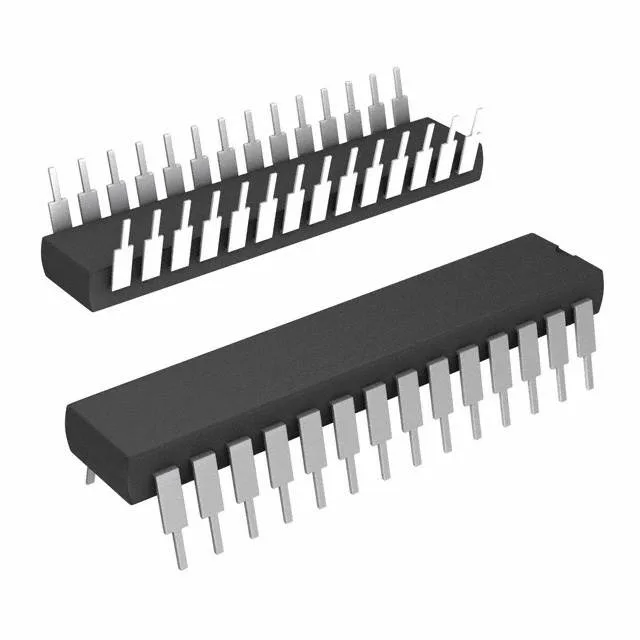
Microchip Technology PIC18F2580-I/SP — Microcontrollers & Processors (MCU / MPU / DSP)

Microchip PIC18F2580-I/SP 8-bit MCU, 40 MHz, CAN 2.0B

MPNPIC18F2580-I/SP
Active

Microchip PIC® 18F PIC18F2580-I/SP, 8-bit MCU, 40MHz core, 32KB (16K x 16) Flash, 1.5K x 8 RAM, 256 x 8 EEPROM, CAN 2.0B, I²C/SPI/UART, 25 I/O, 4.2V–5.5V, -40°C to 85°C, 28-SPDIP through-hole.

$9.6800Ref. price · indicative, final on quote
Packaging28-DIP (0.300", 7.62mm)
RoHSROHS3 Compliant
SeriesPIC® 18F
Independent supplier — new & surplus stockAuthenticity-screened · ESD-safe packingListing updated Jul 2026

Specifications

PIC18F2580-I/SP specifications
ParameterValue
SeriesPIC® 18F
MountingThrough Hole
Oscillator typeInternal
Program memory typeFLASH
Voltage - supply (Vcc (Vdd))4.2V ~ 5.5V
Operating temperature-40°C~85°C(TA)
Speed40MHz
PackageTube
RAM size1.5K x 8
Core size8-Bit
EEPROM size256 x 8
PeripheralsBrown-out Detect/Reset, HLVD, POR, PWM, WDT
ConnectivityCANbus, I²C, SPI, UART/USART
Number of i (O)25
Core processorPIC
Case28-DIP (0.300\", 7.62mm)
Data convertersA/D 8x10b
Program memory size32KB (16K x 16)

Product details

40 MHz core with integrated CAN 2.0B — the CAN node workhorse

The Microchip PIC18F2580-I/SP is an 8-bit PIC® 18F microcontroller built around a 40 MHz core, giving 10 MIPS instruction throughput. The 32 KB Flash (16K x 16) and 1.5 KB RAM are sized for moderate CAN application code and message buffers, while the 256-byte EEPROM stores calibration or node-ID data without wearing the Flash. The 28-pin SPDIP through-hole package is a legacy-friendly footprint for prototyping, rework, and low-volume production — no fine-pitch soldering, easy socketing. The 25 I/O lines include an 8-channel 10-bit ADC, PWM, and the usual PIC peripherals: Brown-out Detect, HLVD, POR, WDT.

Microchip lists the PIC18F2580-I/SP as Active. ROHS3 compliant.

Frequently asked questions

Does PIC18F2580-I/SP work with the MCP2551 CAN transceiver?

Yes. The PIC18F2580-I/SP integrates a CAN 2.0B controller that interfaces directly with the MCP2551 CAN transceiver — the controller handles the protocol layer, the MCP2551 handles the physical bus. This is a standard pairing in many CAN node designs.