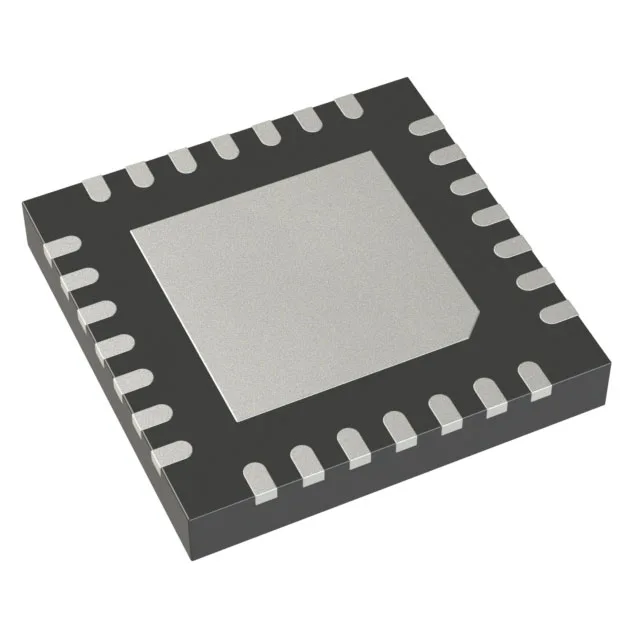
Microchip Technology PIC16F1933-I/ML — Microcontrollers & Processors (MCU / MPU / DSP)

PIC16F1933-I/ML 8-bit MCU, 32 MHz, 7 KB Flash, 28-QFN

MPNPIC16F1933-I/ML
Active

Microchip PIC® XLP™ 16F series, PIC16F1933-I/ML, 8-bit MCU, 32 MHz, 7KB (4K x 14) FLASH, 256 x 8 RAM, 256 x 8 EEPROM, 28-VQFN Exposed Pad, -40°C to 85°C.

$2.4000Ref. price · indicative, final on quote
Packaging28-VQFN Exposed Pad
RoHSROHS3 Compliant
SeriesPIC® XLP™ 16F
Independent supplier — new & surplus stockAuthenticity-screened · ESD-safe packingListing updated Jul 2026

Specifications

PIC16F1933-I/ML specifications
ParameterValue
SeriesPIC® XLP™ 16F
MountingSurface Mount
Oscillator typeInternal
Program memory typeFLASH
Voltage - supply (Vcc (Vdd))1.8V ~ 5.5V
Operating temperature-40°C ~ 85°C (TA)
Speed32MHz
PackageTube
RAM size256 x 8
Core size8-Bit
EEPROM size256 x 8
PeripheralsBrown-out Detect/Reset, LCD, POR, PWM, WDT
ConnectivityI2C, LINbus, SPI, UART/USART
Number of i (O)25
Core processorPIC
Case28-VQFN Exposed Pad
Data convertersA/D 11x10b
Program memory size7KB (4K x 14)

Product details

32 MHz 8-bit PIC with LCD drive and plenty of I/O for a 28-pin QFN

The Microchip PIC16F1933-I/ML is an 8-bit PIC MCU from the PIC® XLP™ 16F family, clocked at 32 MHz and packing 7 KB of Flash program memory, 256 bytes of RAM, and 256 bytes of EEPROM in a 28-VQFN exposed-pad package.

Memory and peripheral mix — what fits in the 7 KB budget

With 7 KB of Flash (4K x 14 words) and 256 bytes each of RAM and EEPROM, this MCU is sized for moderate firmware loads — think sensor polling, simple control loops, or LCD segment driving. The 256 x 8 EEPROM is handy for storing calibration constants or configuration data that survive a power cycle, without wearing the Flash.

28-QFN exposed pad — thermal and soldering notes

The 28-VQFN with exposed pad (6x6 mm body) needs a proper thermal via pattern under the paddle for heat sinking, especially if you're drawing continuous current through the I/O pins or running the core at 32 MHz in a warm enclosure. The exposed pad is also the main ground connection — make sure your PCB layout ties it to the ground plane with several vias. For rework, a hot-air station with a small nozzle works; the QFN's edge leads are visible enough for inspection, but the center pad can be tricky to solder without a stencil.

That's one less sourcing headache for a production BOM.

Frequently asked questions

What is the difference between PIC16F1933 and PIC16F1937?

The PIC16F1937 is a higher-density sibling in the same family, with more program memory and I/O. The PIC16F1933 offers 7 KB Flash and 25 I/O in a 28-pin package, while the PIC16F1937 typically comes in larger packages with more memory and pins. For a direct comparison, check the respective datasheets for exact memory and peripheral differences.

What is PIC16F1933-I/ML's listed speed?

The core runs at 32 MHz, which is the maximum clock speed for this 8-bit PIC. That's enough for most control and sensor interface tasks, but not for heavy DSP or high-speed data streaming.