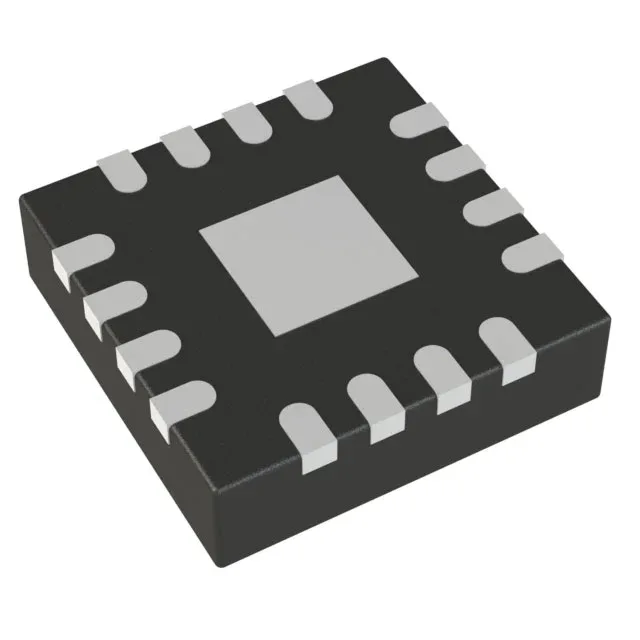
Microchip Technology PIC16F15223-E/MG — Microcontrollers & Processors (MCU / MPU / DSP)

PIC16F15223-E/MG 8-bit MCU, 32MHz, 3.5KB Flash, 16-QFN

MPNPIC16F15223-E/MG
Active

Microchip PIC® 16F, Functional Safety (FuSa) series, PIC16F15223-E/MG, 8-bit MCU, 32MHz, 3.5KB (2K x 14) FLASH, 256 x 8 RAM, 11 I/O, I²C/LINbus/SPI/UART, 1.8V-5.5V, -40°C~125°C, 16-VFQFN Exposed Pad.

$0.7800Ref. price · indicative, final on quote
Packaging16-VFQFN Exposed Pad
RoHSROHS3 Compliant
SeriesPIC® 16F, Functional Safety (FuSa)
Independent supplier — new & surplus stockAuthenticity-screened · ESD-safe packingListing updated Jul 2026

Specifications

PIC16F15223-E/MG specifications
ParameterValue
SeriesPIC® 16F, Functional Safety (FuSa)
MountingSurface Mount
Oscillator typeInternal
Program memory typeFLASH
Voltage - supply (Vcc (Vdd))1.8V ~ 5.5V
Operating temperature-40°C~125°C(TA)
Speed32MHz
PackageTube
RAM size256 x 8
Core size8-Bit
PeripheralsBrown-out Detect/Reset, POR, PWM, WDT
ConnectivityI²C, LINbus, SPI, UART/USART
Number of i (O)11
Core processorPIC
Case16-VFQFN Exposed Pad
Data convertersA/D 9/2x10b
Program memory size3.5KB (2K x 14)

Product details

32 MHz internal oscillator — no external crystal needed

The Microchip PIC16F15223-E/MG is an 8-bit MCU built around the PIC core, clocked at 32 MHz from an internal oscillator — no external crystal or resonator required for the main clock tree. This saves two I/O pins and board area in space-constrained designs like sensor nodes or small motor controllers. The 3.5 KB Flash program memory (2K x 14 words) and 256 x 8 bytes of RAM are sized for control-loop firmware rather than data-logging payloads; expect to budget the code tightly if you're adding a communication stack alongside the main loop.

The 10-bit ADC has 9 channels (plus 2 dedicated channels on a separate converter), enough for reading a handful of analog inputs like potentiometers, thermistors, or current-sense resistors. With only 11 general-purpose I/O pins available, plan the pin allocation early — every shared function (ADC input, PWM output, serial pin) competes for the same pad.

The ROHS3 compliance covers the EU directive requirements without needing a separate exemption.

Rework note: 16-QFN with exposed pad

When reworking this part, the pad's thermal mass means you need a preheat zone around 150°C on the bottom side before the hot-air nozzle goes on top; otherwise the ground pad won't fully reflow and the part will sit proud, lifting the perimeter pins. Use a low-melt solder paste (e.g., Sn42/Bi57/Ag1) if the board has other temperature-sensitive components nearby.

Frequently asked questions

What is the closest functional alternative to PIC16F15223-E/MG?

The PIC16LF1559-I/SS is a close peer — same 8-bit PIC core at 32 MHz, same I²C/SPI/UART connectivity, similar peripheral set (BOR, POR, PWM, WDT). The LF1559 comes in an SSOP-20 package, so it is not pin-compatible with the 16-QFN of the PIC16F15223-E/MG.

How do I program PIC16F15223-E/MG?

Programming is done via Microchip's In-Circuit Serial Programming (ICSP) interface using the PGD and PGC pins, or through the debug header with a compatible programmer/debugger like the PICkit 4 or MPLAB Snap. The internal oscillator is active by default, so no external clock is needed for programming.