12-channel SPDT — signal routing for ultrasound beamforming
The HV209FG-G: Twelve independent SPDT switches, each configured as a 2:1 multiplexer/demultiplexer, give you 24 signal paths through a single 48-pin LQFP. That is enough to route a 128-element array across a dozen TX/RX channels in a typical ultrasound front-end. No external buffer needed for most RX paths.
Supply range — ±10V to ±220V dual, 40V to 200V single
The dual-supply span runs from ±10 V up to ±220 V, and a single-supply configuration works from 40 V to 200 V. That covers the full swing of a medical ultrasound pulser — the high-voltage TX pulse can be ±100 V or more, and the switch blocks it cleanly during the RX window without breaking down.
48-LQFP — reworkable with standard hot-air, but watch the pitch
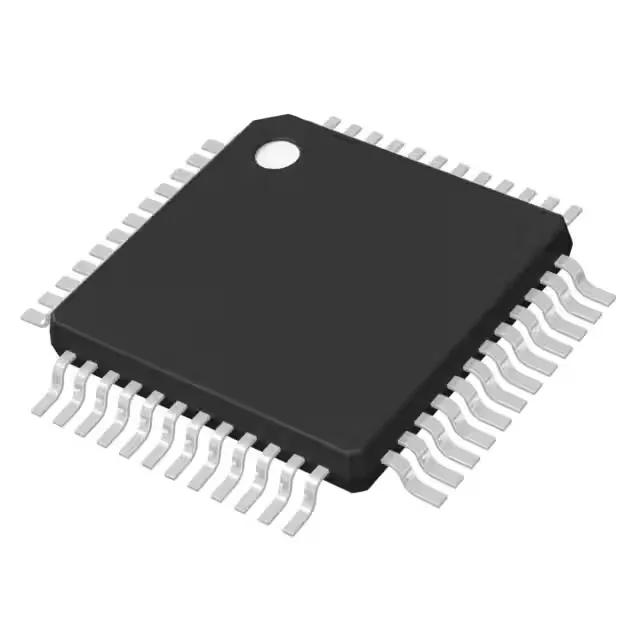
The 48-LQFP (7x7 mm body) is a common enough footprint that you can swap it on site with a hot-air station and some practice — no BGA reball gear needed. The 0.5 mm pitch means the soldering iron tip has to be fine, and a misaligned placement will bridge adjacent pins. A stencil and reflow oven is the production path; for field repair, tack one corner, align, then drag-solder the rest.
The commercial temperature range (0°C to 70°C) fits a cart-based ultrasound system in a climate-controlled exam room. If your design puts the switch at the probe head or in a portable field unit that sees 40°C+ ambient, this part will drift out of spec — look for an industrial-temp variant in the same family.