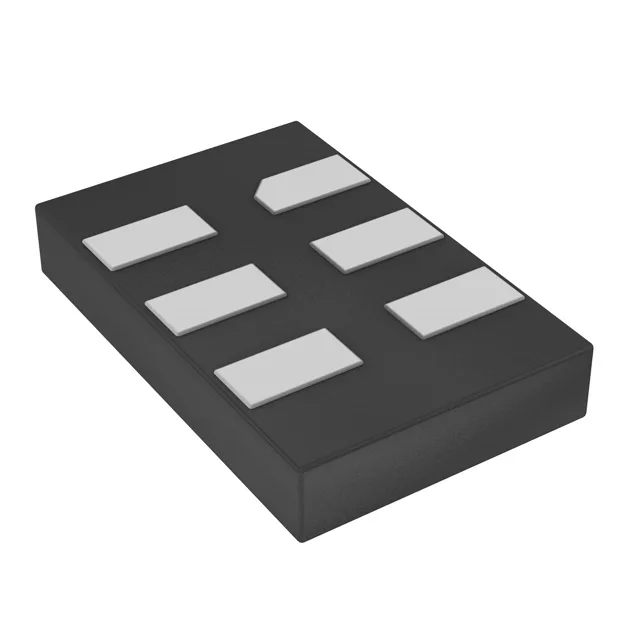
Microchip Technology DSC8103BL5 — Crystals & Oscillators

DSC8103BL5 MEMS XO, LVDS, 10-460 MHz, ±10 ppm, Active

MPNDSC8103BL5
End of Life

Microchip Technology DSC8103 series MEMS XO (Standard), LVDS output, 6-VDFN package, 10 MHz to 460 MHz range, ±10 ppm stability, 2.25V to 3.6V supply, Standby function, Tube.

$15.1400Ref. price · indicative, final on quote
Sourced new & surplus through independent channelsAuthenticity-screened · ESD-safe packingListing updated Aug 2026

Specifications

DSC8103BL5 specifications
ParameterValue
TypeXO (Standard)
SeriesDSC8103
MountingSurface Mount
Programmable typeBlank (User Must Program)
Voltage2.25V ~ 3.6V
Current - supply32mA
Current - supply (Disable)95 µA
Frequency stability±10ppm
Available frequency range10 MHz ~ 460 MHz
Size (Dimension)0.197\" L x 0.126\" W (5.00mm x 3.20mm)
Height - seated0.035\" (0.90mm)
OutputLVDS
FunctionStandby
PackageTube
ManufacturerMicrochip Technology
Base resonatorMEMS
Case6-VDFN

Product details

LVDS MEMS oscillator — 10 MHz to 460 MHz, ±10 ppm

The DSC8103BL5: LVDS signaling means the oscillator drives 100-ohm differential traces directly — no extra termination resistors needed at the receiver for point-to-point clock distribution to FPGAs, ASICs, or SerDes transceivers.

Active current draw is 32 mA max at full rated frequency — the LVDS output stage dominates the power budget, not the MEMS resonator.

The blank (user-programmable) variant means the oscillator ships without a pre-programmed frequency; the buyer programs it before reflow using Microchip's programming tools or orders a pre-programmed code from distribution.

Frequently asked questions

What does the 'Blank (User Must Program)' type mean for the DSC8103BL5?

It ships without a pre-programmed output frequency. You program it using Microchip's TimeFlash field programmer or order a pre-programmed variant from the DSC8103 family. The blank option gives flexibility to stock one part number and program per build.

Is the DSC8103BL5 a quartz or MEMS oscillator?

It uses a MEMS base resonator, not a quartz crystal. MEMS oscillators offer better shock and vibration tolerance, faster startup time, and smaller package options compared to quartz-based XOs.