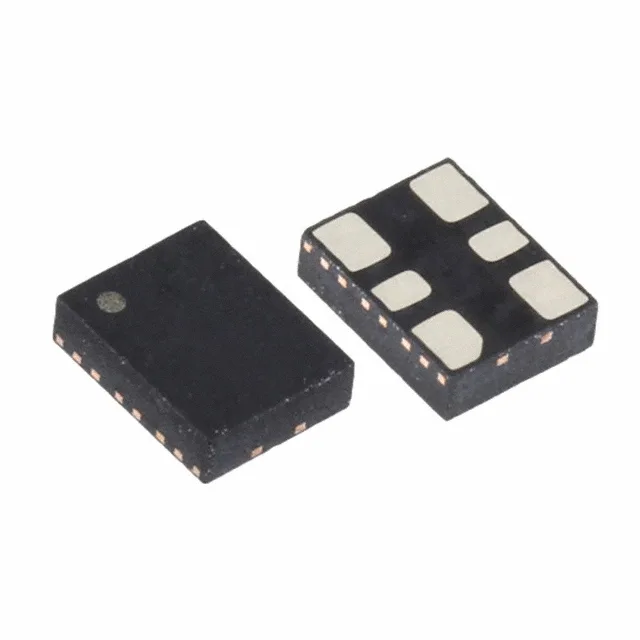
Microchip Technology DSC8102CI5 — Crystals & Oscillators

Microchip DSC8102CI5 MEMS XO, LVPECL, 10-460 MHz, AEC-Q100

MPNDSC8102CI5
End of Life

Microchip Technology DSC8102 series MEMS XO (Standard), LVPECL output, 10 MHz ~ 460 MHz, ±10 ppm total stability, 58 mA max, 2.25V ~ 3.6V supply, AEC-Q100, 6-SMD no-lead, tube.

$14.4200Ref. price · indicative, final on quote
Sourced new & surplus through independent channelsAuthenticity-screened · ESD-safe packingListing updated Aug 2026

Specifications

DSC8102CI5 specifications
ParameterValue
TypeXO (Standard)
SeriesDSC8102
MountingSurface Mount
Programmable typeBlank (User Must Program)
Voltage2.25V ~ 3.6V
Current - supply58mA
Available frequency range10 MHz ~ 460 MHz
Frequency stability (Total)±10ppm
Operating temperature-40°C ~ 85°C
Size (Dimension)0.126\" L x 0.098\" W (3.20mm x 2.50mm)
Height - seated0.035\" (0.90mm)
OutputLVPECL
RatingsAEC-Q100
FunctionStandby
PackageTube
ManufacturerMicrochip Technology
Base resonatorMEMS
Case6-SMD, No Lead

Product details

Frequency stability, supply range, and standby function

The DSC8102CI5: Total frequency stability is ±10 ppm, covering the combined effects of temperature, supply voltage, and aging — tight enough for most high-speed serial links and Ethernet PHY reference clocks. The part is shipped as a blank (unprogrammed) device in tube packaging — the end user programs the output frequency via Microchip's field-programmable oscillator configuration tools.

6-SMD no-lead package and board integration

The MEMS resonator structure inherently resists vibration and shock better than quartz — relevant for under-hood or powertrain-mounted ECUs that see continuous mechanical stress.

Active lifecycle and procurement posture

Sourced through independent distribution channels; pricing and lead time are confirmed at RFQ against the buyer's BOM quantity.

Frequently asked questions

What output type does DSC8102CI5 provide?

It provides LVPECL differential outputs, which are common for high-speed clock distribution in networking, FPGA reference clocks, and SERDES applications.