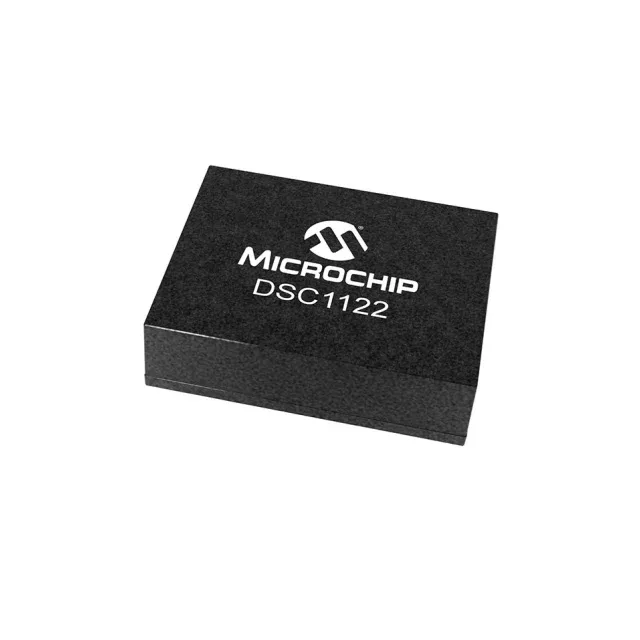
MEMS dual-frequency XO — why the 130kHz / 132kHz pair matters
The DSC6121JI3B-01VJ: The dual-frequency output lets one oscillator cover two clock domains — a common need in metering, baseband, or sensor interface designs where the system controller and the peripheral bus run at slightly different rates — without adding a second crystal or a PLL.
Typical current draw is 3 mA max — at 130 kHz the dynamic power is negligible, so the 3 mA figure is dominated by the CMOS output buffer driving the downstream load.
Temperature stability and deployment envelope
The operating temperature band covers outdoor telecom cabinets, industrial control enclosures, and automotive cabin-adjacent modules (non-engine bay).
Package and board integration
The 0.89 mm height keeps it under low-profile shrouds or mezzanine boards. CMOS output is single-ended and drives directly into most MCU clock inputs without AC-coupling or termination — just a series damping resistor if the trace is long.