What the dual-frequency output means for your clock tree
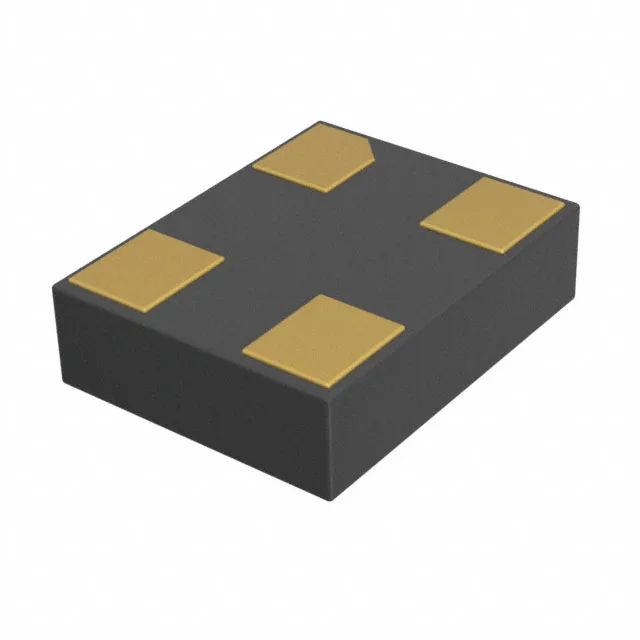
The DSC6121JE2B-01QUT: This MEMS XO generates two independent output frequencies — 45.1584 MHz and 49.152 MHz — from a single resonator. That replaces two separate oscillators on the bill of materials, saving one 4-VLGA footprint and reducing the clock-tree component count by half. Both outputs are CMOS, so they drive standard logic inputs directly without external termination. Typical current draw is 3 mA — low enough for always-on clock domains in battery-backed telematics or gateway modules.
AEC-Q100 — built for automotive duty
Rated AEC-Q100, the DSC6121JE2B-01QUT has passed the automotive-grade qualification flow: extended temperature cycling, ESD sensitivity, and reliability stress. This makes it suitable for chassis-mounted ECUs, ADAS sensor modules, and infotainment head units that see under-hood or cabin thermal profiles. The MEMS base resonator inherently resists shock and vibration better than a quartz crystal — no crystal aging drift, no startup reliability issues after a drop or pothole event.