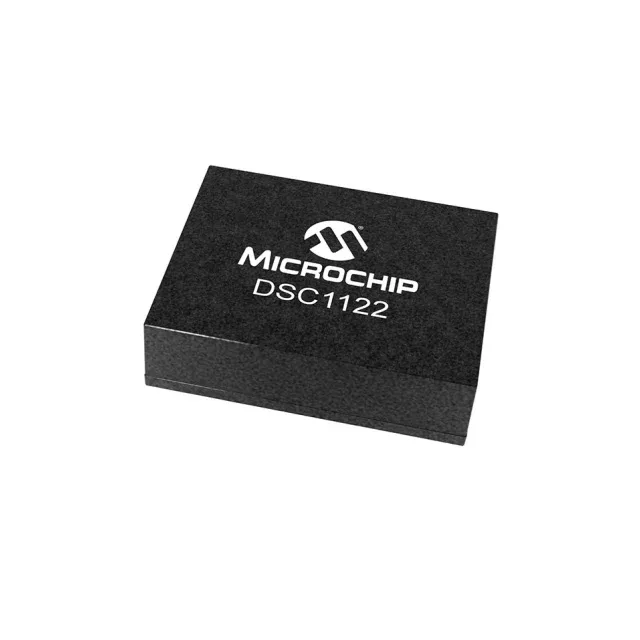
Microchip Technology DSC6111HI2B-033.3300 — Crystals & Oscillators

Microchip DSC6111HI2B-033.3300 MEMS XO, 33.33 MHz, AEC-Q100

MPNDSC6111HI2B-033.3300
Active

Microchip Technology DSC61XXB series MEMS XO (Standard), order code DSC6111HI2B-033.3300, 33.33 MHz CMOS output, ±25 ppm stability, AEC-Q100, 4-VFLGA package.

$2.8200Ref. price · indicative, final on quote
Sourced new & surplus through independent channelsAuthenticity-screened · ESD-safe packingListing updated Aug 2026

Specifications

DSC6111HI2B-033.3300 specifications
ParameterValue
TypeXO (Standard)
SeriesDSC61XXB
MountingSurface Mount
Voltage1.8V ~ 3.3V
Current - supply3mA (Typ)
Current - supply (Disable)1.5µA (Typ)
Frequency33.33 MHz
Frequency stability±25ppm
Operating temperature-40°C~85°C
Size (Dimension)0.063\" L x 0.047\" W (1.60mm x 1.20mm)
Height - seated0.035\" (0.89mm)
OutputCMOS
PackageBag
RatingsAEC-Q100
FunctionStandby (Power Down)
Base resonatorMEMS
Case4-VFLGA

Product details

33.33 MHz CMOS with ±25 ppm — the jitter band is standard

The DSC6111HI2B-033.3300: That is the temperature drift envelope; the phase-noise plot in the datasheet is what tells you the jitter in your integration band (typically 12 kHz–20 MHz for a 33.33 MHz clock). Active current draw is 3 mA typical. In standby (power-down) the output is disabled and the supply current drops to 1.5 µA typical — low enough that the oscillator can stay powered from a backup battery during system sleep without draining it.

AEC-Q100 Grade 2 — cabin and body electronics

Rated AEC-Q100, the automotive IC qualification standard. The 4-VFLGA package (1.6 mm x 1.2 mm footprint, 0.89 mm seated height) is a land-grid array with no exposed leads — the solder joints are under the package body, so X-ray inspection is required to verify the fillet quality after reflow.

Frequently asked questions

What is the closest pin-compatible alternative in the DSC61XXB family?

The DSC61XXB family shares the same 4-VFLGA package and pinout across frequency variants. A different frequency in the same family (e.g., 25 MHz or 50 MHz) is footprint-compatible; the BOM change is only the order code and the firmware clock divider.