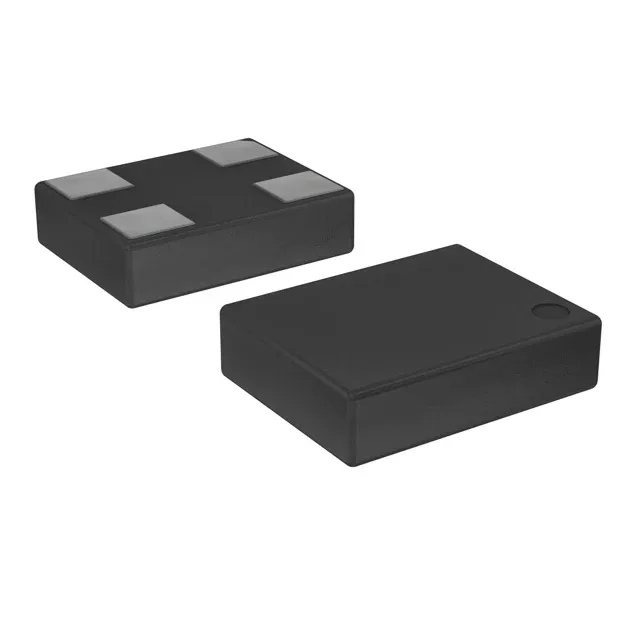
Microchip Technology DSC6111CE2A-000.0000T — Crystals & Oscillators

DSC6111CE2A-000.0000T Microchip MEMS XO, AEC-Q100, obsolete

MPNDSC6111CE2A-000.0000T
Obsolete

Microchip Technology DSC61XX series XO (Standard) oscillator, DSC6111CE2A-000.0000T, CMOS output, AEC-Q100, MEMS resonator, 4-SMD no lead package.

$0.8900Ref. price · indicative, final on quote
Sourced new & surplus through independent channelsAuthenticity-screened · ESD-safe packingListing updated Jul 2026

Specifications

DSC6111CE2A-000.0000T specifications
ParameterValue
TypeXO (Standard)
SeriesDSC61XX
MountingSurface Mount
Programmable typeBlank (User Must Program)
Voltage1.71V ~ 3.63V
Current - supply3mA (Typ)
Current - supply (Disable)12 µA
Available frequency range1 MHz ~ 100 MHz
Frequency stability (Total)±25ppm
Operating temperature-20°C~70°C
Size (Dimension)0.126\" L x 0.098\" W (3.20mm x 2.50mm)
Height - seated0.035\" (0.90mm)
OutputCMOS
PackageTape & Reel (TR)
RatingsAEC-Q100
FunctionStandby
Base resonatorMEMS
Case4-SMD, No Lead

Product details

Obsolete — sourcing through independent channels

The DSC6111CE2A-000.0000T carries an obsolete product status from Microchip Technology, meaning the manufacturer no longer produces this exact order code.

Automotive-grade MEMS oscillator

AEC-Q100 qualified, this oscillator is rated for automotive-grade reliability — the qualification covers temperature cycling, ESD sensitivity, and extended life testing per the AEC stress profile.

Supply and timing flexibility

Total frequency stability of ±25 ppm over the full operating range keeps the clock within tight timing margins for CAN, LIN, or Ethernet PHY reference clocks.

Programmable blank device

Supplied as a blank (user-programmable) device covering 1 MHz to 100 MHz — the same stock code serves multiple frequency requirements when programmed at the board assembly step.

Frequently asked questions

What is the closest pin-compatible alternative to DSC6111CE2A-000.0000T?

The DSC61XX family shares the same footprint and supply range, but each frequency variant is a different order code — a board spin or frequency reprogramming may be required.