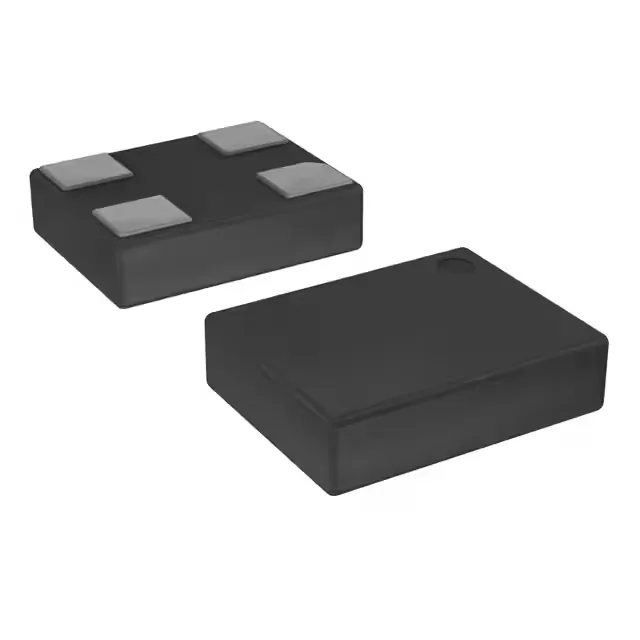
What this MEMS oscillator is and why it matters
The DSC6021CE2A-0063: Unlike quartz crystal oscillators that rely on a mechanical resonator, this part uses a silicon MEMS resonator as the timing reference, which inherently resists vibration and shock better than quartz — a meaningful advantage in automotive or industrial environments where the board sees constant mechanical stress.
Key ratings and what they mean for your BOM
The dual-output architecture (10 MHz and 50 MHz) means a single oscillator can clock two different domains — for example, a 10 MHz reference for a CAN controller and a 50 MHz clock for a microcontroller core — saving one oscillator slot and reducing BOM count. Typical current draw is 1.3 mA max, which is low enough for battery-powered or always-on modules where every microamp counts.
Lifecycle reality — obsolete, not for new designs
For a BOM that already uses this oscillator, the MEMS-based construction and 4-VDFN footprint mean a pin-compatible drop-in from the same DSC60XX family may exist; confirm the output frequencies and stability grade against the current Microchip selector before committing to a substitute.