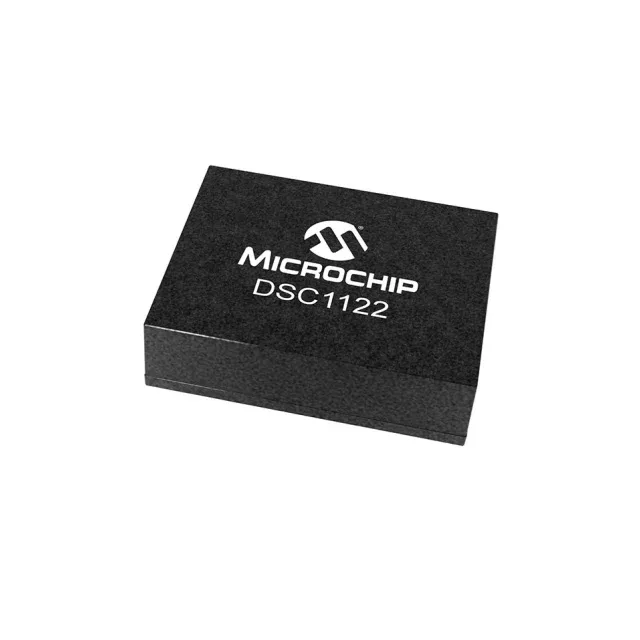
The DSC6011JI3B-016.0000T: Its AEC-Q100 qualification means it meets the reliability screening required for automotive electronics — the same part can serve an engine-control ECU or a cabin infotainment module without a separate industrial-grade variant. For a production line building 10,000 units per month, the MEMS approach also removes the crystal's start-up time variability and the need for external load capacitors.
Supply voltage and standby power budget
For a CAN bus or FlexRay node running at 16 MHz, that stability keeps the bit-timing jitter within the controller's tolerance window without a separate temperature-compensation circuit.
That footprint fits a standard 4-pin oscillator land pattern; the low profile suits a 1.0 mm or 1.2 mm PCB stack-up where component height above the board is constrained by an enclosure or a conformal-coating clearance. Surface-mount assembly with Tape & Reel packaging means the part feeds into a standard pick-and-place line. The CMOS output drives a 15 pF load typical — no external termination resistor needed for short traces under 50 mm.
Lifecycle and supply posture
No pin-compatible second-source is listed on the official record, but the DSC60XXB family shares the same footprint and pinout across frequency variants — a 20 MHz or 24 MHz sibling would drop into the same land pattern if the clock tree allows a frequency change.