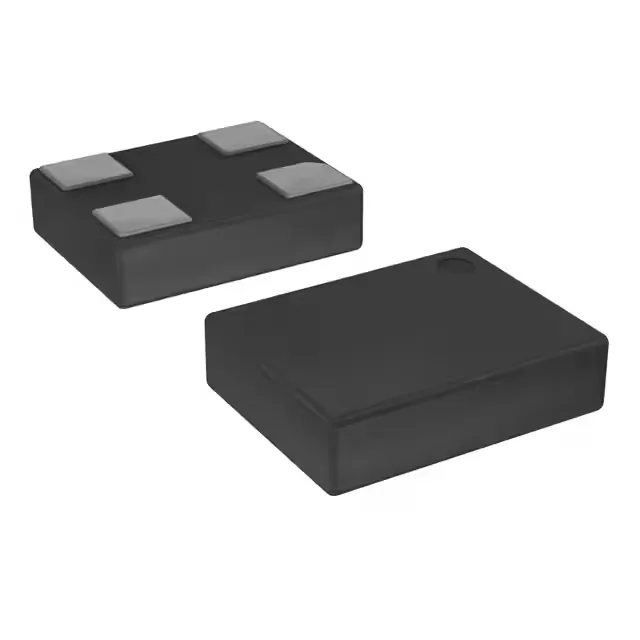
Microchip Technology DSC6011CE1A-PROGRAMMABLE — Crystals & Oscillators

DSC6011CE1A-PROGRAMMABLE MEMS XO, 1 MHz-80 MHz, AEC-Q100

MPNDSC6011CE1A-PROGRAMMABLE
Obsolete

Microchip Technology DSC60XX series XO (Standard), DSC6011CE1A-PROGRAMMABLE, MEMS-based programmable oscillator, CMOS output, 1.71V~3.63V supply, 1 MHz ~ 80 MHz frequency range, ±50ppm stability, AEC-Q100 qualified, 4-SMD no lead package.

$8.9200Ref. price · indicative, final on quote
Independent supplier — new & surplus stockAuthenticity-screened · ESD-safe packingListing updated Jul 2026

Specifications

DSC6011CE1A-PROGRAMMABLE specifications
ParameterValue
TypeXO (Standard)
SeriesDSC60XX
MountingSurface Mount
Supply voltage1.71V ~ 3.63V
Current - supply1.3mA (Typ)
Current - supply (Disable)12 µA
Available frequency range1 MHz ~ 80 MHz
Frequency stability (Total)±50ppm
Operating temperature-20°C~70°C
Size (Dimension)0.126\" L x 0.098\" W (3.20mm x 2.50mm)
Height - seated0.035\" (0.90mm)
OutputCMOS
PackageBulk
RatingsAEC-Q100
FunctionStandby
Base resonatorMEMS
Case4-SMD, No Lead

Product details

The DSC6011CE1A-PROGRAMMABLE: Active current draw is 1.3 mA typical at maximum frequency, making it suitable for battery-powered or thermally constrained designs where every milliampere counts. The standby function drops supply current to 12 µA max when disabled, preserving battery life in duty-cycled sensor nodes or automotive body controllers that sleep between wake events.

The MEMS resonator provides inherent shock resistance over quartz, reducing startup-time variability and frequency drift from mechanical stress during PCB handling or field vibration.

Frequently asked questions

Is the DSC6011CE1A-PROGRAMMABLE obsolete and what is its replacement?

Yes, Microchip has listed the DSC6011CE1A-PROGRAMMABLE as Obsolete. No official direct-replacement order code is published. Confirm fit against the BOM before substituting.

Can DSC6011CE1A be programmed for any frequency in its range?

The part is designated PROGRAMMABLE and covers 1 MHz to 80 MHz, but the evidence does not specify whether every frequency within that span is available or if there are discrete step-size limitations. Confirm the exact target frequency with the supplier or a current datasheet before committing the BOM.