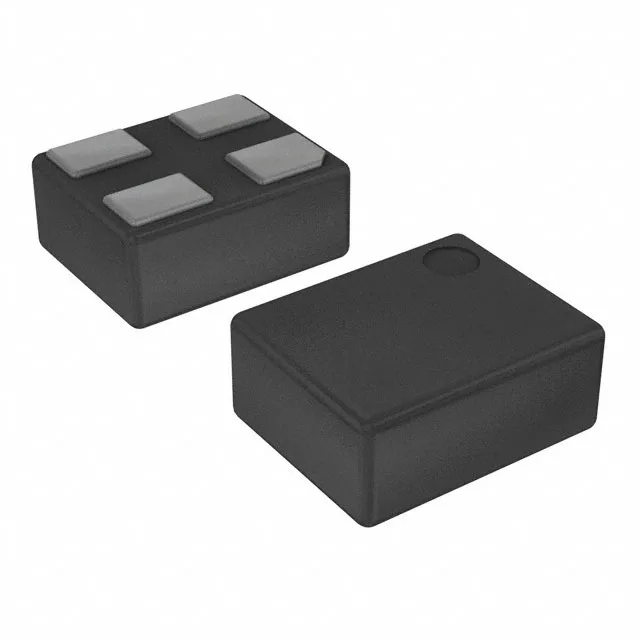
Microchip Technology DSC6003MI2B-027.0000T — Crystals & Oscillators

DSC6003MI2B-027.0000T MEMS XO – 27 MHz, CMOS, AEC-Q100

MPNDSC6003MI2B-027.0000T
Active

Microchip DSC6003MI2B-027.0000T, MEMS-based XO (Standard), 27 MHz CMOS output, ±25 ppm stability, 1.71V–3.63V supply, AEC-Q100 qualified, -40°C to +85°C, 4-VFLGA package.

Independent supplier — new & surplus stockAuthenticity-screened · ESD-safe packingListing updated Aug 2026

Specifications

DSC6003MI2B-027.0000T specifications
ParameterValue
TypeXO (Standard)
SeriesDSC60XXB
MountingSurface Mount
Supply voltage1.71V ~ 3.63V
Current - supply1.3mA (Typ)
Frequency27 MHz
Frequency stability±25ppm
Operating temperature-40°C~85°C
Size (Dimension)0.079\" L x 0.063\" W (2.00mm x 1.60mm)
Height - seated0.035\" (0.89mm)
OutputCMOS
PackageTape & Reel (TR)
RatingsAEC-Q100
FunctionEnable/Disable
Base resonatorMEMS
Case4-VFLGA

Product details

The DSC6003MI2B-027.0000T is a MEMS-based XO (Standard) from Microchip's DSC60XXB series, delivering a 27 MHz CMOS output with ±25 ppm frequency stability across its full -40°C to +85°C operating range. Supply voltage spans 1.71V to 3.63V, covering 1.8V, 2.5V, and 3.3V logic rails without an external regulator — a single part number serves multiple power domains on the same BOM.

Package and reflow fit for the pick-and-place line

Housed in a 4-VFLGA package measuring 2.00mm x 1.60mm with a seated height of 0.89mm, this oscillator's land pattern matches standard 4-pin LGA footprints — no via-in-pad or exotic stencil required.

Frequently asked questions

Is the DSC6003MI2B-027.0000T qualified for automotive use?

Yes, it is rated AEC-Q100, the automotive IC qualification standard. This covers the -40°C to +85°C operating range and includes reliability stress tests for under-hood and cabin deployment.

How does the Enable/Disable function work on this oscillator?

The Enable/Disable pin gates the CMOS output without removing power from the oscillator. When disabled, the output goes to a high-impedance state, reducing supply current for power-save modes. The base resonator (MEMS) remains biased for fast wake-up.