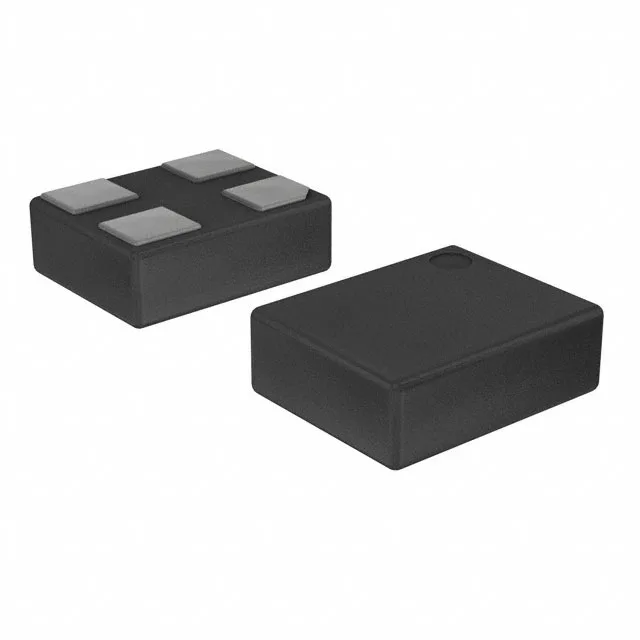
Microchip Technology DSC6003JI2A-020.0000 — Crystals & Oscillators

DSC6003JI2A-020.0000 XO Oscillator – Obsolete, AEC-Q100

MPNDSC6003JI2A-020.0000
Obsolete

Microchip DSC60XX MEMS XO, 20 MHz CMOS output, ±25 ppm stability, AEC-Q100 qualified, 4-SMD no-lead package, obsolete

Independent supplier — new & surplus stockAuthenticity-screened · ESD-safe packingListing updated Jul 2026

Specifications

DSC6003JI2A-020.0000 specifications
ParameterValue
TypeXO (Standard)
SeriesDSC60XX
MountingSurface Mount
Supply voltage1.71V ~ 3.63V
Current - supply1.3mA (Typ)
Frequency20 MHz
Frequency stability±25ppm
Operating temperature-40°C~85°C
Size (Dimension)0.098\" L x 0.079\" W (2.50mm x 2.00mm)
Height - seated0.035\" (0.89mm)
OutputCMOS
PackageTube
RatingsAEC-Q100
FunctionEnable/Disable
Base resonatorMEMS
Case4-SMD, No Lead

Product details

Obsolete MEMS XO – sourcing reality for 20 MHz automotive clock

No pin-compatible successor from Microchip is cited in the lifecycle record.

Automotive-grade MEMS oscillator – what the AEC-Q100 rating means

The MEMS base resonator inherently withstands higher g-levels than a quartz crystal, making the DSC60XX family a fit for engine control units, transmission modules, and ADAS sensor hubs that see mechanical stress.

20 MHz CMOS clock – supply and timing budget

Delivers a 20 MHz CMOS output with ±25 ppm frequency stability, running from a 1.71 V to 3.63 V supply and drawing 1.3 mA typical – a low-power fixed-frequency clock for an MCU or SoC reference.

Frequently asked questions

What is the replacement for DSC6003JI2A-020.0000?

No pin-compatible or drop-in replacement is cited in the lifecycle record from Microchip. The DSC60XX series may have active variants with the same footprint and function, but without an official successor part number, a cross-reference search against the 4-SMD no-lead package and 20 MHz frequency is needed to identify a functional equivalent.

Can DSC6003JI2A-020.0000 be used in automotive applications?

Yes, it carries AEC-Q100 qualification, meaning it was tested to automotive reliability standards for the -40°C to +85°C temperature range. It was designed for under-hood and cabin electronics where shock and vibration tolerance is critical.