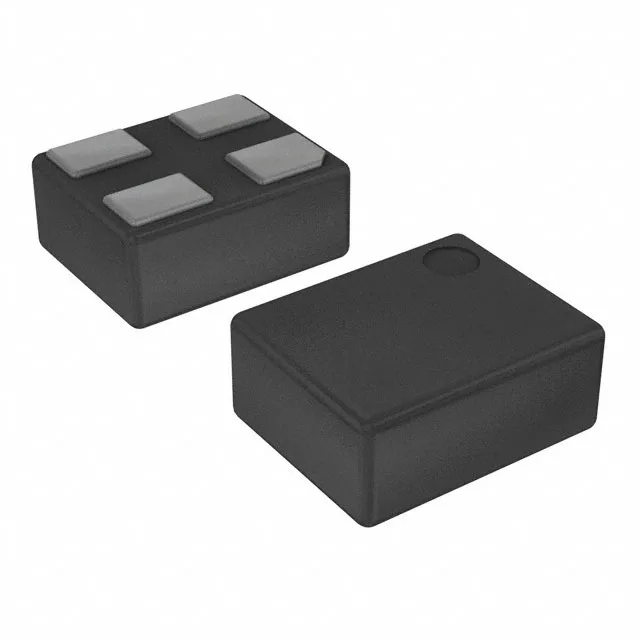
Microchip Technology DSC6001MI1A-052.0000T — Crystals & Oscillators

DSC6001MI1A-052.0000T MEMS Oscillator – 52 MHz, AEC-Q100

MPNDSC6001MI1A-052.0000T
Obsolete

Microchip DSC60XX series XO (Standard) MEMS oscillator, 52 MHz CMOS output, 1.71V–3.63V supply, ±50 ppm stability, AEC-Q100 qualified, 4-VFLGA package.

Independent supplier — new & surplus stockAuthenticity-screened · ESD-safe packingListing updated Jul 2026

Specifications

DSC6001MI1A-052.0000T specifications
ParameterValue
TypeXO (Standard)
SeriesDSC60XX
MountingSurface Mount
Supply voltage1.71V ~ 3.63V
Current - supply1.3mA (Typ)
Frequency52 MHz
Frequency stability±50ppm
Operating temperature-40°C~85°C
Size (Dimension)0.079\" L x 0.063\" W (2.00mm x 1.60mm)
Height - seated0.035\" (0.89mm)
OutputCMOS
PackageTape & Reel (TR)
RatingsAEC-Q100
FunctionEnable/Disable
Base resonatorMEMS
Case4-VFLGA

Product details

52 MHz CMOS clock with wide supply tolerance

Outputs a 52 MHz CMOS clock from a 1.71V to 3.63V supply – one part covers 1.8V, 2.5V, and 3.3V logic rails without a separate level translator.

4-VFLGA package – board layout considerations

Housed in a 2.00 mm x 1.60 mm 4-VFLGA package with 0.89 mm seated height. The small land-grid array footprint demands tight pad geometry and a clean solder paste stencil to avoid bridging.

Frequently asked questions

How can I order DSC6001MI1A-052.0000T or check availability?

The part is obsolete but available through independent surplus channels. Submit an RFQ with your target quantity; we confirm availability and current pricing per lot at quote time.

Is DSC6001MI1A-052.0000T AEC-Q100 qualified?

Yes, it carries AEC-Q100 rating, making it suitable for automotive applications requiring the temperature range and reliability stress testing that qualification covers.

What is the difference between MEMS and quartz oscillators?

MEMS oscillators use a silicon resonator instead of a quartz crystal. They typically offer better shock and vibration tolerance, faster start-up, and smaller package size, while quartz can achieve tighter initial accuracy and lower phase noise in some designs.