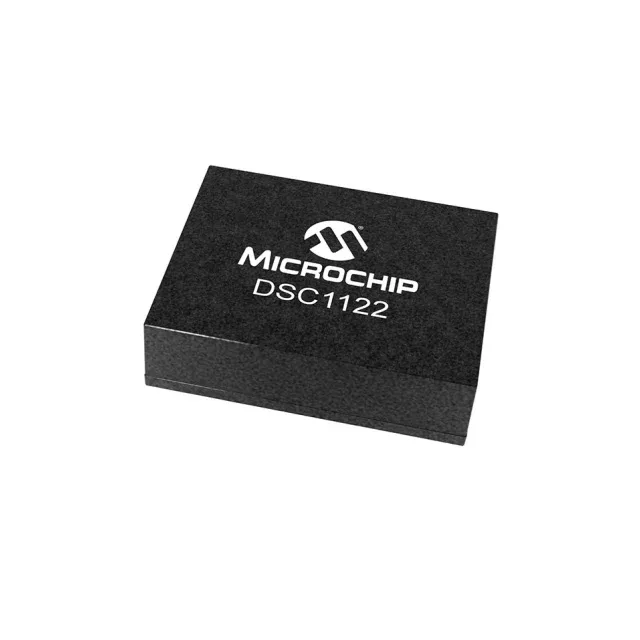
Microchip Technology DSC6001JL3B-008.0000T — Crystals & Oscillators

DSC6001JL3B-008.0000T MEMS XO - 8 MHz, AEC-Q100

MPNDSC6001JL3B-008.0000T
Active

Microchip DSC60XXB series, XO (Standard), 8 MHz, CMOS output, ±20 ppm stability, 1.8V–3.3V supply, AEC-Q100, -40°C to +105°C, 4-VLGA package

Independent supplier — new & surplus stockAuthenticity-screened · ESD-safe packingListing updated Aug 2026

Specifications

DSC6001JL3B-008.0000T specifications
ParameterValue
TypeXO (Standard)
SeriesDSC60XXB
MountingSurface Mount
Supply voltage1.8V ~ 3.3V
Current - supply1.3mA (Typ)
Frequency8 MHz
Frequency stability±20ppm
Operating temperature-40°C~105°C
Size (Dimension)0.098\" L x 0.079\" W (2.50mm x 2.00mm)
Height - seated0.035\" (0.89mm)
OutputCMOS
PackageTape & Reel (TR)
RatingsAEC-Q100
FunctionEnable/Disable
Base resonatorMEMS
Case4-VLGA

Product details

The DSC6001JL3B-008.0000T is a MEMS-based oscillator delivering an 8 MHz CMOS clock with ±20 ppm frequency stability across -40°C to +105°C — a temperature range that covers both automotive under-hood and industrial outdoor environments without requiring a separate heated crystal oven.

MEMS resonator vs quartz: what the supply range buys

The 1.8V to 3.3V supply range lets the oscillator run directly from a 1.8V core rail or a 3.3V I/O rail without a separate regulator — the internal LDO handles the drop. A quartz oscillator at the same frequency typically requires a fixed supply and has a narrower voltage tolerance. MEMS resonators have no crystal aging drift (quartz ages ~±3 ppm in year one) and start in under 5 ms vs 10-100 ms for a quartz XO.

Frequently asked questions

Is DSC6001JL3B-008.0000T a direct replacement for a standard quartz oscillator?

The DSC6001JL3B-008.0000T is a MEMS-based XO with CMOS output and enable/disable function — it is footprint-compatible with many 4-pin 2.5x2.0 mm quartz oscillators. However, the supply voltage range (1.8V–3.3V) and the enable/disable logic polarity must match your board design. The MEMS part offers wider temperature range and better shock tolerance, but verify the output drive strength and startup time in your specific application before substituting.