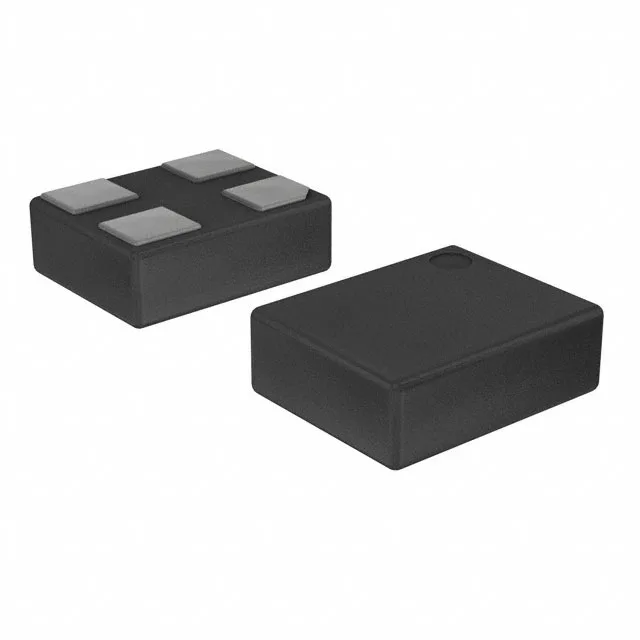
Microchip Technology DSC6001JI2B-007.3730 — Crystals & Oscillators

DSC6001JI2B-007.3730 MEMS XO, 7.373 MHz, AEC-Q100, CMOS

MPNDSC6001JI2B-007.3730
Active

Microchip DSC6001JI2B-007.3730, XO (Standard), MEMS resonator, 7.373 MHz, CMOS output, ±25 ppm stability, 1.8V~3.3V supply, AEC-Q100 qualified, -40°C to 85°C, 4-VLGA package.

Independent supplier — new & surplus stockAuthenticity-screened · ESD-safe packingListing updated Aug 2026

Specifications

DSC6001JI2B-007.3730 specifications
ParameterValue
TypeXO (Standard)
SeriesDSC60XXB
MountingSurface Mount
Supply voltage1.8V ~ 3.3V
Current - supply1.3mA (Typ)
Frequency7.373 MHz
Frequency stability±25ppm
Operating temperature-40°C~85°C
Size (Dimension)0.098\" L x 0.079\" W (2.50mm x 2.00mm)
Height - seated0.035\" (0.89mm)
OutputCMOS
PackageTube
RatingsAEC-Q100
FunctionEnable/Disable
Base resonatorMEMS
Case4-VLGA

Product details

The DSC6001JI2B-007.3730 is a 7.373 MHz MEMS-based oscillator from Microchip's DSC60XXB series, delivering a standard XO (CMOS) output in a compact 4-VLGA package measuring 2.50 mm x 2.00 mm. Its AEC-Q100 qualification and -40°C to 85°C operating range make it suitable for automotive body electronics, infotainment, and ADAS sensor clocking where quartz alternatives may suffer from vibration-induced frequency shifts.

MEMS vs quartz: what the AEC-Q100 rating means for your BOM

AEC-Q100 qualification (Grade 2 implied by the -40°C to 85°C range) means this oscillator passed the stress tests required for automotive ICs — temperature cycling, ESD, latch-up, and early-life failure rate — which a standard commercial quartz oscillator typically does not carry.

Frequently asked questions

Is DSC6001JI2B-007.3730 AEC-Q100 qualified?

Yes, it carries AEC-Q100 ratings, which qualifies it for automotive applications. The operating temperature range of -40°C to 85°C aligns with Grade 2 of the AEC-Q100 specification.

Can DSC6001JI2B-007.3730 replace a standard quartz oscillator?

Functionally yes — it provides the same 7.373 MHz CMOS clock output with ±25 ppm stability. The MEMS resonator offers better shock/vibration tolerance and faster startup than quartz, but the pinout and footprint (4-VLGA) must match your PCB layout. Confirm the Enable/Disable logic polarity matches your design.