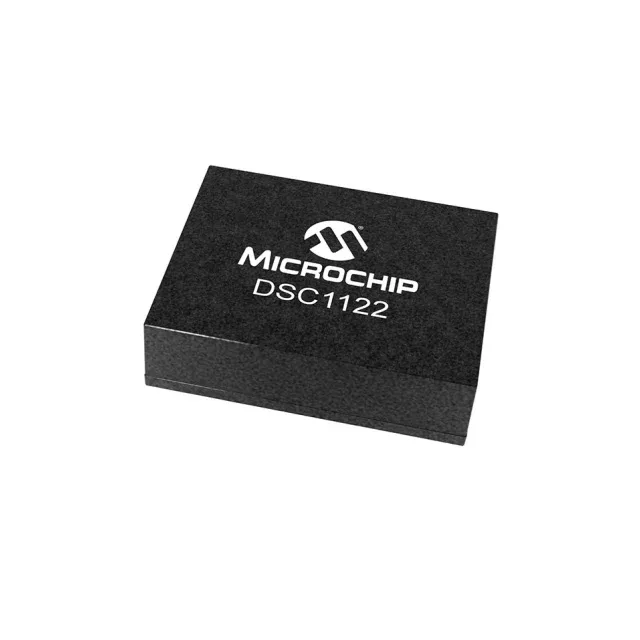
Microchip Technology DSC6001JE2B-012.0000T — Crystals & Oscillators

DSC6001JE2B-012.0000T MEMS XO – 12 MHz, AEC-Q100, ±25 ppm

MPNDSC6001JE2B-012.0000T
Active

Microchip DSC60XXB series MEMS XO, 12 MHz, CMOS output, AEC-Q100 qualified, ±25 ppm stability, 1.8V–3.3V supply, Enable/Disable function, 4-VLGA package

Independent supplier — new & surplus stockAuthenticity-screened · ESD-safe packingListing updated Aug 2026

Specifications

DSC6001JE2B-012.0000T specifications
ParameterValue
TypeXO (Standard)
SeriesDSC60XXB
MountingSurface Mount
Supply voltage1.8V ~ 3.3V
Current - supply1.3mA (Typ)
Frequency12 MHz
Frequency stability±25ppm
Operating temperature-20°C~70°C
Size (Dimension)0.098\" L x 0.079\" W (2.50mm x 2.00mm)
Height - seated0.035\" (0.89mm)
OutputCMOS
PackageTape & Reel (TR)
RatingsAEC-Q100
FunctionEnable/Disable
Base resonatorMEMS
Case4-VLGA

Product details

The DSC6001JE2B-012.0000T is a 12 MHz MEMS-based XO (Standard) from Microchip's DSC60XXB series, delivering a CMOS output with ±25 ppm frequency stability across its -20°C to 70°C operating range.

Supply flexibility and output control

The 1.8V to 3.3V supply range lets a single BOM line serve multiple voltage rails — a 3.3V CAN transceiver reference and a 1.8V MCU clock can share the same oscillator, reducing inventory complexity.

Housed in a 4-VLGA package measuring 2.50 mm × 2.00 mm with a seated height of 0.89 mm, this oscillator fits tight PCB real estate — the 0.50 mm pitch pads require careful fan-out on a two-layer board but route cleanly on four-layer stacks.

Frequently asked questions

What is the frequency stability of DSC6001JE2B-012.0000T?

±25 ppm across the -20°C to 70°C operating range. This is the standard stability grade for automotive-grade MEMS oscillators — sufficient for CAN, LIN, and most MCU clock trees, but verify against your PHY's ppm budget if using 100BASE-T1 or similar high-speed serial links.

Does DSC6001JE2B-012.0000T have an enable/disable function?

Yes, the Enable/Disable function lets you tri-state the CMOS output. When disabled, the oscillator core remains powered but the output goes high-impedance — useful for sharing a clock line or sequencing multiple devices without a dedicated buffer.