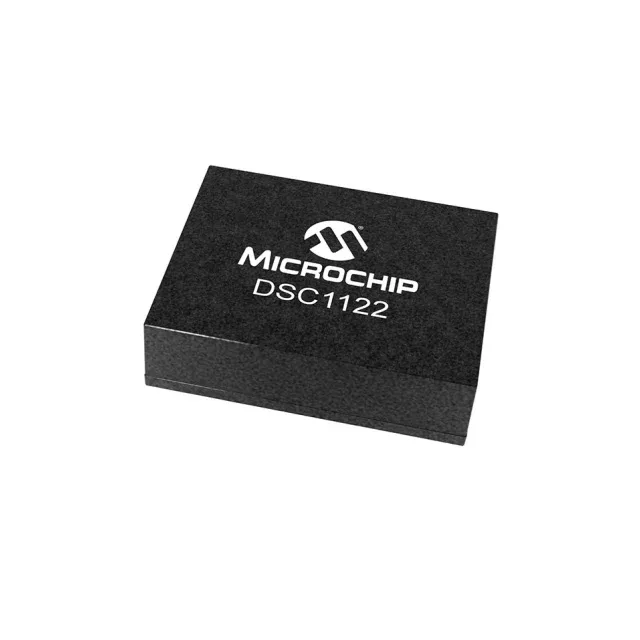
Microchip Technology DSC6001HI2B-032K768T — Crystals & Oscillators

DSC6001HI2B-032K768T MEMS Oscillator – 32.768 kHz, AEC-Q100

MPNDSC6001HI2B-032K768T
Active

Microchip DSC60XXB series MEMS-based XO, 32.768 kHz, CMOS output, ±25 ppm stability, 1.8V–3.3V supply, AEC-Q100, 4-VFLGA package

Sourced new & surplus through independent channelsAuthenticity-screened · ESD-safe packingListing updated Aug 2026

Specifications

DSC6001HI2B-032K768T specifications
ParameterValue
TypeXO (Standard)
SeriesDSC60XXB
MountingSurface Mount
Voltage1.8V ~ 3.3V
Current - supply1.3mA (Typ)
Frequency32.768 kHz
Frequency stability±25ppm
Operating temperature-40°C~85°C
Size (Dimension)0.063\" L x 0.047\" W (1.60mm x 1.20mm)
Height - seated0.035\" (0.89mm)
OutputCMOS
PackageTape & Reel (TR)
RatingsAEC-Q100
FunctionEnable/Disable
Base resonatorMEMS
Case4-VFLGA

Product details

Rated AEC-Q100, the DSC6001HI2B-032K768T is qualified for automotive applications including infotainment, ADAS sensor modules, and body-control ECUs that need a reliable 32.768 kHz reference across -40°C to +85°C. The ±25 ppm frequency stability covers the full temperature range and supply variation — tighter than many quartz-based 32.768 kHz oscillators, which often spec ±50 ppm or wider.

Supply voltage flexibility and small footprint

Operating from 1.8V to 3.3V, this oscillator works across the common digital supply rails without a level translator — useful when the same BOM serves both 3.3V and 1.8V domains. The 4-VFLGA package measures 1.6 mm x 1.2 mm with a seated height of 0.89 mm — a footprint that fits space-constrained designs like automotive camera modules or wearable PCBs. Surface-mount assembly requires a hot-air or reflow process; the 0.89 mm height is low enough for slim enclosures.

Frequently asked questions

How does DSC6001HI2B-032K768T compare to a quartz crystal for a 32.768 kHz clock?

A quartz tuning-fork crystal requires external load capacitors and an inverter to oscillate, while this MEMS XO integrates the resonator and oscillator in one package and outputs a rail-to-rail CMOS signal. The MEMS version also offers ±25 ppm stability over temperature versus typical quartz crystals that spec ±20 to ±50 ppm but only at 25°C. The trade-off is cost: a bare crystal is cheaper, but the XO saves board space and eliminates the oscillator circuit design.