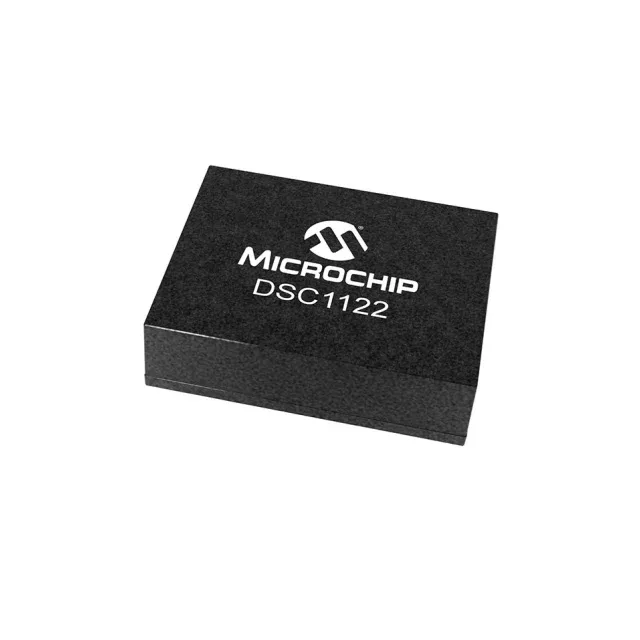
Microchip Technology DSC6001HI2B-011.0592T — Crystals & Oscillators

DSC6001HI2B-011.0592T MEMS XO – 11.0592 MHz, AEC-Q100, CMOS

MPNDSC6001HI2B-011.0592T
Active

Microchip Technology DSC60XXB series MEMS XO, 11.0592 MHz, CMOS output, ±25 ppm stability, 1.8–3.3 V supply, 4-VFLGA package, AEC-Q100 qualified.

Sourced new & surplus through independent channelsAuthenticity-screened · ESD-safe packingListing updated Aug 2026

Specifications

DSC6001HI2B-011.0592T specifications
ParameterValue
TypeXO (Standard)
SeriesDSC60XXB
MountingSurface Mount
Voltage1.8V ~ 3.3V
Current - supply1.3mA (Typ)
Frequency11.0592 MHz
Frequency stability±25ppm
Operating temperature-40°C~85°C
Size (Dimension)0.063\" L x 0.047\" W (1.60mm x 1.20mm)
Height - seated0.035\" (0.89mm)
OutputCMOS
PackageTape & Reel (TR)
RatingsAEC-Q100
FunctionEnable/Disable
Base resonatorMEMS
Case4-VFLGA

Product details

MEMS XO at 11.0592 MHz with AEC-Q100 Grade

The DSC6001HI2B-011.0592T is a MEMS-based XO (standard oscillator) from Microchip's DSC60XXB series, delivering a 11.0592 MHz CMOS output with a frequency stability of ±25 ppm. It carries an AEC-Q100 qualification — capable is not qualified; this part has the grade documentation an OEM auditor expects for an automotive ECU clock source.

Supply Voltage Flexibility and Enable/Disable Function

Supply voltage spans 1.8 V to 3.3 V, so the oscillator can run directly from a 1.8 V core rail or a 3.3 V I/O rail without an external regulator or level shifter.

Package and Footprint for Automotive Board Layout

Housed in a 4-VFLGA package measuring 1.60 mm x 1.20 mm with a seated height of 0.89 mm, the footprint is compatible with standard XO land patterns for 11.0592 MHz clock sources. Surface-mount assembly on a standard PCB is straightforward; the small body keeps board real estate tight for multi-channel ECU or sensor-module layouts.

Frequently asked questions

What is the difference between DSC6001HI2B-011.0592T and a standard quartz oscillator?

The base resonator is MEMS, not quartz. MEMS oscillators are typically more resistant to vibration and shock, and they start up faster than quartz counterparts. The AEC-Q100 qualification is a reliability differentiator — most standard quartz XOs carry only an industrial temperature rating, not an automotive-grade qualification.