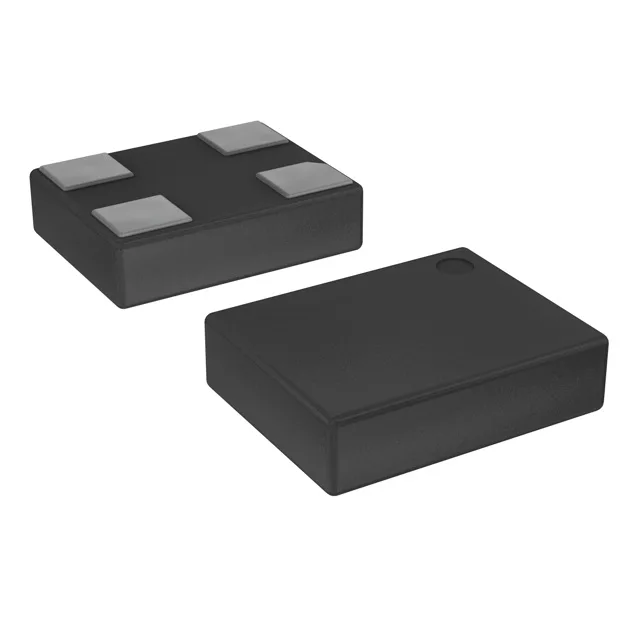
Microchip Technology DSC6001CI2A-PROGRAMMABLE — Crystals & Oscillators

DSC6001CI2A-PROGRAMMABLE MEMS XO, CMOS, AEC-Q100, Obsolete

MPNDSC6001CI2A-PROGRAMMABLE
Obsolete

Microchip DSC60XX series MEMS XO (Standard), CMOS output, 1.71V-3.63V supply, -40°C to 85°C, AEC-Q100, 4-SMD no-lead package

Sourced new & surplus through independent channelsAuthenticity-screened · ESD-safe packingListing updated Jul 2026

Specifications

DSC6001CI2A-PROGRAMMABLE specifications
ParameterValue
TypeXO (Standard)
SeriesDSC60XX
MountingSurface Mount
Voltage1.71V ~ 3.63V
Current - supply1.3mA (Typ)
Current - supply (Disable)12 µA
Available frequency range1 MHz ~ 80 MHz
Frequency stability (Total)±25ppm
Operating temperature-40°C ~ 85°C
Size (Dimension)0.126\" L x 0.098\" W (3.20mm x 2.50mm)
Height - seated0.035\" (0.89mm)
OutputCMOS
PackageBulk
RatingsAEC-Q100
FunctionEnable/Disable
Base resonatorMEMS
Case4-SMD, No Lead

Product details

It operates from a 1.71V to 3.63V supply, drawing a typical 1.3 mA maximum supply current, with a disable mode that drops consumption to 12 µA max.

Lifecycle reality and sourcing path

Housed in a 4-SMD, No Lead package measuring 3.20 mm x 2.50 mm with a seated height of 0.89 mm, this oscillator is a surface-mount device.

Frequently asked questions

Is DSC6001CI2A-PROGRAMMABLE obsolete and can I still buy it?

Yes, Microchip has listed this part as Obsolete. It is no longer in production, but we can source it through independent surplus channels — availability is lot-specific and confirmed at RFQ.

What is a replacement for DSC6001CI2A-PROGRAMMABLE?

Microchip does not list a direct pin-compatible successor for this order code. For a functionally equivalent MEMS oscillator with AEC-Q100 qualification, consider the active DSC60XX series variants — confirm the package, supply voltage, and frequency range match your BOM before substituting.

What is the frequency range of DSC6001CI2A-PROGRAMMABLE?

The device is programmable from 1 MHz to 80 MHz, with a CMOS output and ±25 ppm total frequency stability over the -40°C to 85°C range.