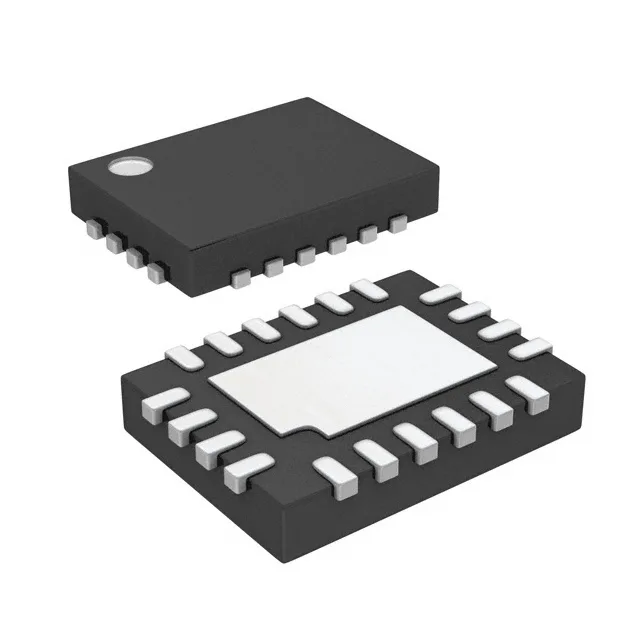
Microchip Technology DSC400-3333Q0099KE1 — Crystals & Oscillators

DSC400-3333Q0099KE1 MEMS XO – Microchip, 4-output LVDS

MPNDSC400-3333Q0099KE1
Active

Microchip DSC400 series, XO (Standard), MEMS resonator, LVDS output, four independent frequencies: 148.35MHz, 148.5MHz, 156.25MHz, 208.333333MHz, 197.8MHz, 198MHz, ±50ppm stability, 2.25V–3.6V supply, -20°C to 70°C, 20-VFQFN exposed pad.

Independent supplier — new & surplus stockAuthenticity-screened · ESD-safe packingListing updated Aug 2026

Specifications

DSC400-3333Q0099KE1 specifications
ParameterValue
TypeXO (Standard)
SeriesDSC400
Supply voltage2.25V ~ 3.6V
Frequency stability±50ppm
Frequency - output 1148.35MHz, 148.5MHz
Frequency - output 2156.25MHz
Frequency - output 3208.333333MHz
Frequency - output 4197.8MHz, 198MHz
Operating temperature-20°C ~ 70°C
Height0.035\" (0.90mm)
Size (Dimension)0.197\" L x 0.126\" W (5.00mm x 3.20mm)
OutputLVDS
PackageTube
FunctionEnable/Disable
Base resonatorMEMS
Case20-VFQFN Exposed Pad

Product details

MEMS-based XO with four LVDS clock outputs

Output frequencies span video and datacom rates: 148.35 MHz and 148.5 MHz (common for broadcast video), 156.25 MHz (10GbE reference), 208.333333 MHz (FPGA transceiver clock), and 197.8/198 MHz (networking/SerDes).

Operates from 2.25 V to 3.6 V, covering both 2.5 V and 3.3 V rails without an external regulator — the Enable/Disable function lets the system gate the outputs for power sequencing or test modes.

Housed in a 20-VFQFN with exposed pad (5.00 mm x 3.20 mm, 0.90 mm height) — the thermal pad should be soldered to a ground-plane island for heat sinking and to keep the MEMS resonator's frequency stable under airflow.

Frequently asked questions

What is the closest pin-compatible alternative to DSC400-3333Q0099KE1 in the DSC400 family?

The DSC400 series shares the same 20-VFQFN footprint and pinout across frequency-configuration variants. Any other DSC400 order code with the same package and supply voltage is footprint-compatible; the frequency plan differs. No alternative from a different manufacturer is confirmed pin-compatible — confirm the BOM position's frequency requirements before swapping.