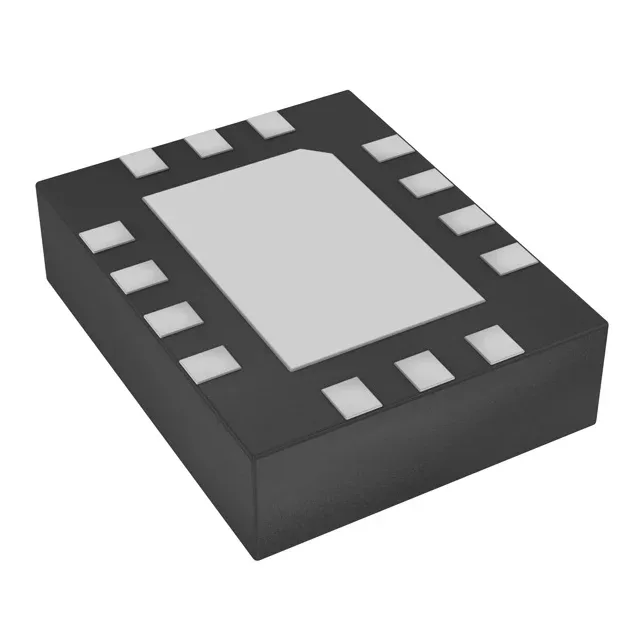
Microchip Technology DSC2222FI1-F0006T — Crystals & Oscillators

DSC2222FI1-F0006T MEMS XO, LVPECL, 8 MHz, ±50 ppm

MPNDSC2222FI1-F0006T
Active

Microchip DSC2222FI1-F0006T, DSC2222 series, MEMS-based XO (Standard), LVPECL output, 8 MHz dual output, ±50 ppm stability, -40°C to 85°C, 14-VFQFN exposed pad, tape & reel

Sourced new & surplus through independent channelsAuthenticity-screened · ESD-safe packingListing updated Aug 2026

Specifications

DSC2222FI1-F0006T specifications
ParameterValue
TypeXO (Standard)
SeriesDSC2222
Voltage2.25V ~ 3.6V
Current - supply89mA (Typ)
Current - supply (Disable)23 mA
Frequency stability±50ppm
Frequency - output 18MHz
Frequency - output 28MHz
Operating temperature-40°C~85°C
Height0.035\" (0.90mm)
Size (Dimension)0.126\" L x 0.098\" W (3.20mm x 2.50mm)
OutputLVPECL
PackageTape & Reel (TR)
FunctionEnable/Disable
Base resonatorMEMS
Case14-VFQFN Exposed Pad

Product details

MEMS XO with LVPECL — 8 MHz dual output

The DSC2222FI1-F0006T is a MEMS-based standard oscillator (XO) from Microchip's DSC2222 series, delivering two 8 MHz LVPECL outputs from a single device. The MEMS resonator gives it better shock and vibration tolerance than a quartz crystal, and the LVPECL logic family provides a differential, low-jitter clock suitable for high-speed data links, FPGAs, or SerDes reference clocks.

±50 ppm stability over industrial temperature

That is tight enough for most Ethernet, USB, and general-purpose processor clocking without needing a TCXO.

Listed as Active by Microchip.

14-VFQFN package — 3.2 x 2.5 mm footprint

Housed in a 14-VFQFN with exposed pad, 0.90 mm height. The 3.20 mm x 2.50 mm footprint is compact enough for space-constrained boards. The Enable/Disable function lets you gate the output for power savings — disable current drops to 23 mA max from 89 mA typical.

Frequently asked questions

What is the output logic of the DSC2222FI1-F0006T?

The output is LVPECL (Low-Voltage Positive Emitter-Coupled Logic), a differential signal standard that requires 100-ohm termination at the receiver. It is commonly used for high-speed clock distribution to FPGAs, SerDes, or Ethernet PHYs.