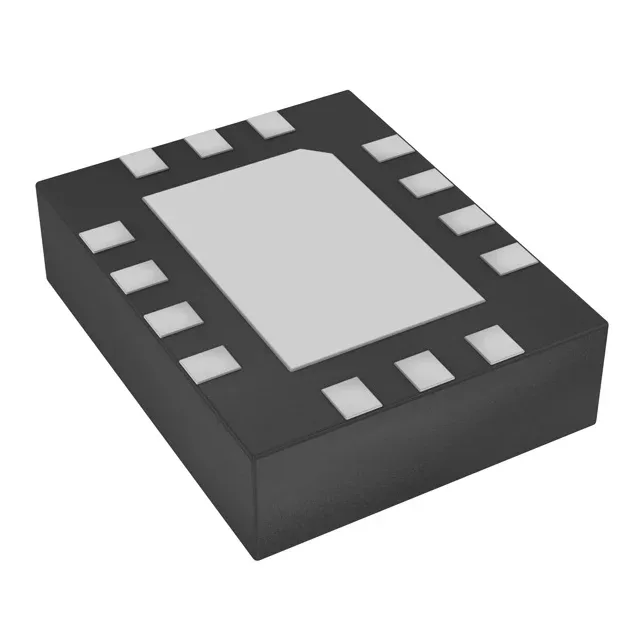
Microchip Technology DSC2044FE2-H0006 — Crystals & Oscillators

DSC2044FE2-H0006 MEMS XO – 156.25 MHz HCSL, Active

MPNDSC2044FE2-H0006
Active

Microchip DSC2044FE2-H0006, DSC2044 series, XO (Standard) MEMS oscillator, dual 156.25 MHz HCSL outputs, ±25 ppm stability, 14-VFQFN exposed pad

Sourced new & surplus through independent channelsAuthenticity-screened · ESD-safe packingListing updated Aug 2026

Specifications

DSC2044FE2-H0006 specifications
ParameterValue
TypeXO (Standard)
SeriesDSC2044
Voltage2.25V ~ 3.6V
Current - supply60mA (Typ)
Current - supply (Disable)23 mA
Frequency stability±25ppm
Frequency - output 1156.25MHz
Frequency - output 2156.25MHz
Operating temperature-20°C~70°C
Height0.035\" (0.90mm)
Size (Dimension)0.126\" L x 0.098\" W (3.20mm x 2.50mm)
OutputHCSL
PackageTube
FunctionEnable/Disable
Base resonatorMEMS
Case14-VFQFN Exposed Pad

Product details

Dual 156.25 MHz HCSL clock source

The DSC2044FE2-H0006 is a MEMS-based XO (Standard) from Microchip's DSC2044 series, delivering two 156.25 MHz HCSL outputs from a single 14-VFQFN package. That frequency pair is the standard reference for 10 Gigabit Ethernet (XAUI) and PCI Express Gen3 — two common high-speed serial busses that share the same 156.25 MHz fundamental. The HCSL output swings 700–900 mV differential, matching the input requirements of most Ethernet PHYs and FPGA transceivers without external level shifting. Supply voltage spans 2.25 V to 3.6 V, covering 2.5 V and 3.3 V rails without a separate regulator.

Commercial temp grade and stability

It fits indoor networking gear, data-centre switches, and test equipment where the ambient stays within that band. The 14-VFQFN exposed-pad package (3.20 mm x 2.50 mm, 0.90 mm height) requires a thermal pad on the PCB for proper heat transfer.

The part ships in tube (standard), and the supply voltage range (2.25–3.6 V) means it drops into a 3.3 V or 2.5 V rail without a regulator change.

Frequently asked questions

Is the DSC2044FE2-H0006 compatible with a 3.3 V supply?

Yes. The HCSL output levels are referenced to the supply, so the differential swing will be within the 700–900 mV range typical for HCSL at 3.3 V.