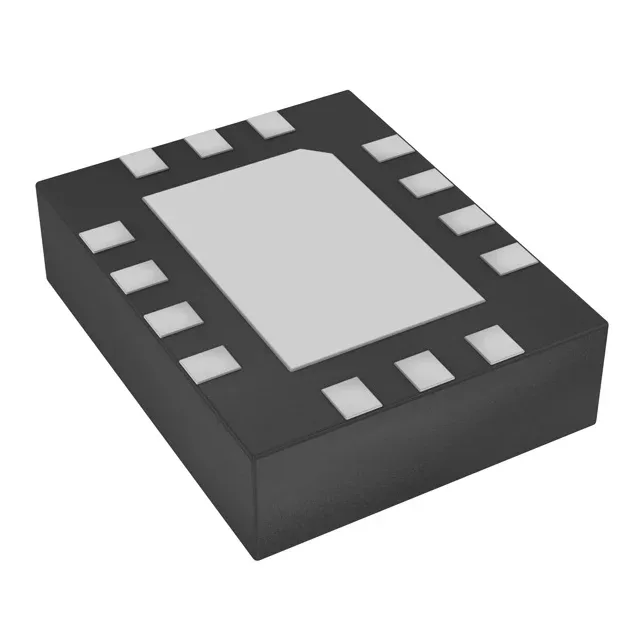
Microchip Technology DSC2042FI2-M0004 — Crystals & Oscillators

DSC2042FI2-M0004 MEMS XO – 125 MHz / 25 MHz HCSL LVPECL

MPNDSC2042FI2-M0004
Active

Microchip DSC2042FI2-M0004, DSC2042 series, XO (Standard) with MEMS resonator, dual HCSL/LVPECL outputs at 125 MHz and 25 MHz, ±25 ppm stability, 2.25 V–3.6 V supply, -40°C to 85°C, 14-VFQFN exposed pad.

Independent supplier — new & surplus stockAuthenticity-screened · ESD-safe packingListing updated Aug 2026

Specifications

DSC2042FI2-M0004 specifications
ParameterValue
TypeXO (Standard)
SeriesDSC2042
Supply voltage2.25V ~ 3.6V
Current - supply76mA (Typ)
Current - supply (Disable)23 mA
Frequency stability±25ppm
Frequency - output 1125MHz
Frequency - output 225MHz
Operating temperature-40°C~85°C
Height0.035\" (0.90mm)
Size (Dimension)0.126\" L x 0.098\" W (3.20mm x 2.50mm)
OutputHCSL, LVPECL
PackageTube
FunctionEnable/Disable
Base resonatorMEMS
Case14-VFQFN Exposed Pad

Product details

MEMS-based dual-output clock source

The DSC2042FI2-M0004 is a MEMS-based XO (Standard) from Microchip's DSC2042 series, delivering two independent clock outputs: 125 MHz on output 1 and 25 MHz on output 2, selectable as HCSL or LVPECL logic levels.

Supply voltage spans 2.25 V to 3.6 V, covering 2.5 V and 3.3 V logic rails without an external regulator — one less component on the BOM. The oscillator holds ±25 ppm frequency stability across that range, so a telecom basestation or outdoor controller that sees -30°C startup and 70°C steady-state stays within the clock budget.

Housed in a 14-VFQFN with exposed pad, 3.20 mm x 2.50 mm footprint, 0.90 mm height.

Microchip lists the DSC2042FI2-M0004 as Active.

Frequently asked questions

What output logic types does the DSC2042FI2-M0004 support?

The outputs are configurable as HCSL or LVPECL. Both outputs share the same logic type — you cannot mix HCSL on one output and LVPECL on the other.

Can the DSC2042FI2-M0004 replace a crystal oscillator in my design?

Yes — it is a drop-in replacement for a quartz-based XO in the same 14-VFQFN footprint, with the advantage of MEMS reliability and dual-frequency output. The Enable/Disable function and wide supply range add flexibility a quartz oscillator typically lacks.