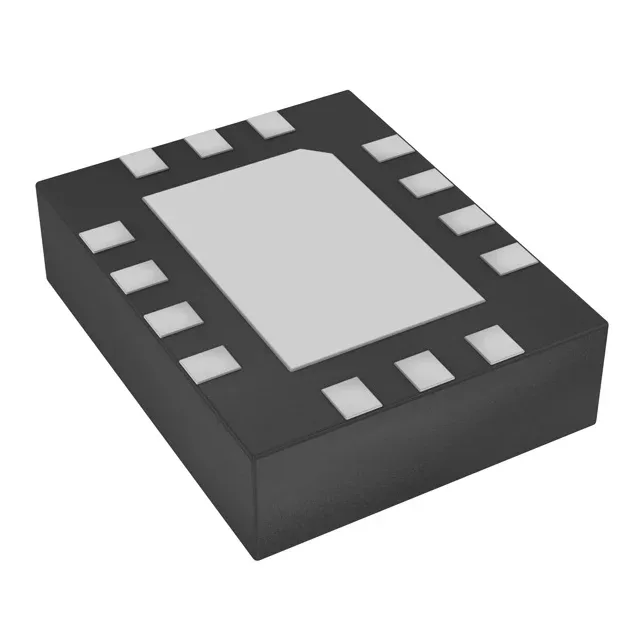
Microchip Technology DSC2011FM1-E0015 — Crystals & Oscillators

DSC2011FM1-E0015 MEMS XO – Dual 20MHz CMOS, -55°C to 125°C

MPNDSC2011FM1-E0015
Active

Microchip Technology DSC2011FM1-E0015, XO (Standard) MEMS oscillator, dual 20 MHz CMOS outputs, 1.65 V to 3.6 V supply, ±50 ppm stability, -55°C to 125°C operating range, 14-VFQFN exposed pad package.

Sourced new & surplus through independent channelsAuthenticity-screened · ESD-safe packingListing updated Aug 2026

Specifications

DSC2011FM1-E0015 specifications
ParameterValue
TypeXO (Standard)
SeriesDSC2011
Voltage1.65V ~ 3.6V
Current - supply32mA (Typ)
Current - supply (Disable)23 mA
Frequency stability±50ppm
Frequency - output 120MHz
Frequency - output 220MHz
Operating temperature-55°C~125°C
Height0.035\" (0.90mm)
Size (Dimension)0.126\" L x 0.098\" W (3.20mm x 2.50mm)
OutputCMOS
PackageTube
FunctionEnable/Disable
Base resonatorMEMS
Case14-VFQFN Exposed Pad

Product details

The DSC2011FM1-E0015 is a MEMS-based XO (Standard) that outputs two independent 20 MHz CMOS clocks from a single 14-VFQFN package with an exposed pad — no quartz crystal, no external load capacitors. The Enable/Disable function lets a firmware or system controller gate the outputs without a separate clock buffer, saving a component on the BOM.

The MEMS resonator inherently handles higher shock and vibration than a quartz crystal, which matters in missile guidance or drilling-head electronics where quartz can fracture under sustained g-load.

Supply voltage and output compatibility

CMOS output swings rail-to-rail, so the downstream receiver sees a clean digital edge across the full 1.65-3.6 V supply window.

Microchip lists the DSC2011FM1-E0015 as Active — no EOL notice, no last-time-buy window.

Frequently asked questions

Can the DSC2011FM1-E0015 replace a quartz-based 20 MHz oscillator on my board?

Yes, if your board expects a CMOS clock input at 20 MHz with enable/disable control and supply between 1.65 V and 3.6 V. The MEMS part is pin-compatible with many standard 14-VFQFN oscillators, but verify the footprint — the exposed pad thermal land pattern must match the datasheet recommendation for proper heat transfer.