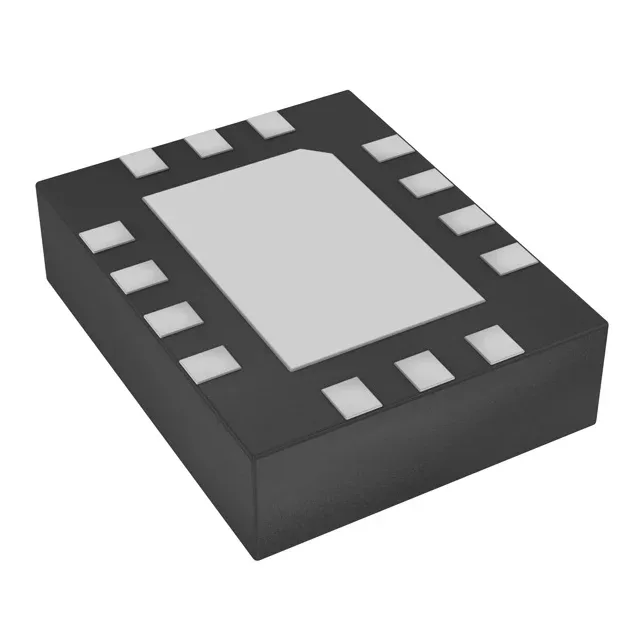
Microchip Technology DSC2011FI2-F0016T — Crystals & Oscillators

DSC2011FI2-F0016T MEMS XO – 25/50 MHz, CMOS, Active

MPNDSC2011FI2-F0016T
Active

Microchip Technology DSC2011FI2-F0016T, XO (Standard), MEMS base resonator, dual CMOS outputs 25 MHz and 50 MHz, ±25 ppm stability, 2.25 V–3.6 V supply, -40 to 85°C, 14-VFQFN exposed pad package.

Independent supplier — new & surplus stockAuthenticity-screened · ESD-safe packingListing updated Aug 2026

Specifications

DSC2011FI2-F0016T specifications
ParameterValue
TypeXO (Standard)
SeriesDSC2011
Supply voltage2.25V ~ 3.6V
Current - supply32mA (Typ)
Current - supply (Disable)23 mA
Frequency stability±25ppm
Frequency - output 125MHz
Frequency - output 250MHz
Operating temperature-40°C~85°C
Height0.035\" (0.90mm)
Size (Dimension)0.126\" L x 0.098\" W (3.20mm x 2.50mm)
OutputCMOS
PackageTape & Reel (TR)
FunctionEnable/Disable
Base resonatorMEMS
Case14-VFQFN Exposed Pad

Product details

MEMS oscillator replaces quartz in dual-frequency clock

The DSC2011FI2-F0016T is a MEMS-based XO (Standard) that outputs 25 MHz on one channel and 50 MHz on the second, both CMOS levels, from a single 14-VFQFN package measuring 3.20 mm x 2.50 mm.

Industrial temperature range and stability

Rated -40°C to 85°C with ±25 ppm frequency stability, this oscillator holds its timing over the full industrial temperature band — no warm-up drift compensation needed in outdoor telecom or motor-drive environments. The Enable/Disable function on pin 1 lets a GPIO gate the outputs; when disabled, supply current drops to 23 mA max from the 32 mA typ operating draw.

Frequently asked questions

Does DSC2011FI2-F0016T have an enable/disable function?

Yes, the DSC2011FI2-F0016T includes an Enable/Disable function on pin 1.

Is DSC2011FI2-F0016T a direct replacement for standard quartz oscillators?

The DSC2011FI2-F0016T is a MEMS-based XO, not a quartz crystal. It is a drop-in functional replacement for standard CMOS-output quartz oscillators in the same 14-VFQFN footprint, with the advantage of dual output frequencies from one device.