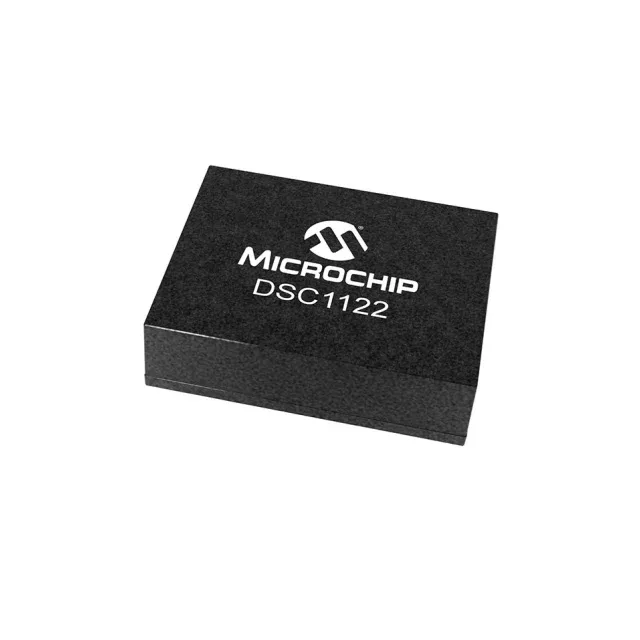
Microchip Technology DSC1522AI2A-12M80000 — Crystals & Oscillators

DSC1522AI2A-12M80000 MEMS XO – 12.8 MHz, LVCMOS

MPNDSC1522AI2A-12M80000
Active

Microchip Technology DSC1522AI2A-12M80000, DSC152X series, XO (Standard) MEMS oscillator, 12.8 MHz, LVCMOS output, ±25 ppm stability, 2.5V–3.3V supply, -40°C to +85°C, 4-VDFN exposed pad package.

Sourced new & surplus through independent channelsAuthenticity-screened · ESD-safe packingListing updated Aug 2026

Specifications

DSC1522AI2A-12M80000 specifications
ParameterValue
TypeXO (Standard)
SeriesDSC152X
MountingSurface Mount
Voltage2.5V ~ 3.3V
Current - supply7.5mA
Frequency12.8 MHz
Frequency stability±25ppm
Operating temperature-40°C~85°C
Size (Dimension)0.276\" L x 0.197\" W (7.00mm x 5.00mm)
Height - seated0.035\" (0.90mm)
OutputLVCMOS
PackageTube
FunctionEnable/Disable
Base resonatorMEMS
Case4-VDFN Exposed Pad

Product details

MEMS oscillator at 12.8 MHz for industrial clocking

The DSC1522AI2A-12M80000 is a MEMS-based XO (Standard) that generates a fixed 12.8 MHz output in LVCMOS logic levels — a common frequency for Ethernet PHYs, baseband processors, and FPGA reference clocks.

Housed in a 4-VDFN with exposed pad (7.00 mm x 5.00 mm, 0.90 mm seated height), the package requires a thermal pad on the PCB to conduct heat to the ground plane — the exposed paddle is the primary thermal path, not the leads. Frequency stability is ±25 ppm across the full temperature range, which keeps the clock edge jitter within the timing budget for 10/100BASE-T Ethernet and most serial interfaces without external PLL tuning.

Frequently asked questions

Is the DSC1522AI2A-12M80000 obsolete?

No — the product status is Active.

How does this MEMS oscillator compare to a quartz oscillator?

The MEMS resonator eliminates the quartz crystal's susceptibility to mechanical shock and vibration, and it does not require a separate load capacitor or startup circuit. Frequency stability (±25 ppm) is comparable to a standard quartz XO, but the MEMS part typically offers faster startup and better long-term reliability in harsh environments.