Microchip Technology DSC1123AI5-150.0000T — Crystals & Oscillators

DSC1123AI5-150.0000T Microchip MEMS XO 150 MHz LVDS

MPNDSC1123AI5-150.0000T
Active

Microchip DSC1123 series MEMS XO, 150 MHz LVDS, ±10 ppm stability, 2.25V-3.63V supply, AEC-Q100 qualified, 6-SMD package

Sourced new & surplus through independent channelsAuthenticity-screened · ESD-safe packingListing updated Aug 2026

Specifications

DSC1123AI5-150.0000T specifications
ParameterValue
TypeXO (Standard)
SeriesDSC1123
MountingSurface Mount
Voltage2.25V ~ 3.63V
Current - supply32mA
Current - supply (Disable)22mA
Frequency150 MHz
Frequency stability±10ppm
Operating temperature-40°C~85°C
Size (Dimension)0.276\" L x 0.197\" W (7.00mm x 5.00mm)
Height - seated0.035\" (0.90mm)
OutputLVDS
PackageTape & Reel (TR)
RatingsAEC-Q100
FunctionEnable/Disable
Base resonatorMEMS
Case6-SMD, No Lead Exposed Pad

Product details

What this MEMS XO delivers for your clock tree

The DSC1123AI5-150.0000T is a MEMS-based XO (Standard) from Microchip's DSC1123 series, outputting a 150 MHz LVDS clock from a 2.25V to 3.63V supply rail. The LVDS signalling pairs with the 32 mA supply current to drive point-to-point serial links — Ethernet PHY reference clocks, FPGA transceiver channels, or SerDes frames — without the skew accumulation that can plague single-ended distribution.

Rated AEC-Q100, the DSC1123AI5-150.0000T carries the automotive-grade reliability qualification that an OEM auditor expects to see in a PPAP submission. Availability is confirmed at RFQ; no last-time-buy window is open.

Package footprint and layout considerations

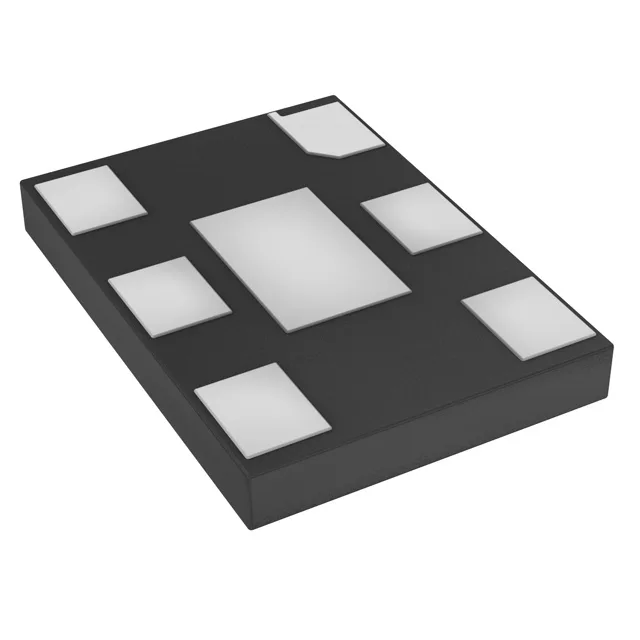
The 6-SMD package with no-lead exposed pad measures 7.00 mm x 5.00 mm with a seated height of 0.90 mm.

Frequently asked questions

Is DSC1123AI5-150.0000T AEC-Q100 qualified?

Yes, the part carries an AEC-Q100 rating. This is the automotive IC qualification — the OEM auditor will accept the PPAP documentation that comes with the grade.

What is the output logic type of DSC1123AI5-150.0000T?

LVDS (Low-Voltage Differential Signalling) output, 150 MHz. The differential pair drives point-to-point serial links — Ethernet PHY reference clocks, FPGA transceiver channels, or SerDes frames — with the low swing and common-mode rejection that single-ended clocks lack.

How do I enable/disable the output on DSC1123AI5-150.0000T?

The Enable/Disable function gates the LVDS output on and off. When disabled, the supply current drops to 22 mA max. The system logic controls this pin — tie it high for continuous output or connect to a GPIO for power sequencing.