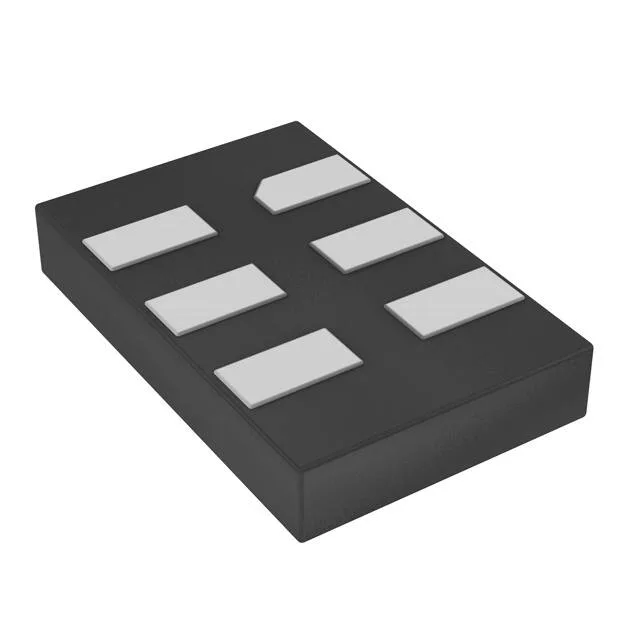
Microchip Technology DSC1121BI5-049.1520 — Crystals & Oscillators

DSC1121BI5-049.1520 MEMS XO – 49.152 MHz CMOS, Active

MPNDSC1121BI5-049.1520
Active

Microchip DSC1121BI5-049.1520, MEMS-based XO (Standard), 49.152 MHz CMOS output, ±10 ppm stability, 2.25V–3.6V supply, -40°C to +85°C, 6-VDFN package.

Sourced new & surplus through independent channelsAuthenticity-screened · ESD-safe packingListing updated Aug 2026

Specifications

DSC1121BI5-049.1520 specifications
ParameterValue
TypeXO (Standard)
SeriesDSC1121
MountingSurface Mount
Voltage2.25V ~ 3.6V
Current - supply35mA
Current - supply (Disable)22mA
Frequency49.152 MHz
Operating temperature-40°C~85°C
Size (Dimension)0.197\" L x 0.126\" W (5.00mm x 3.20mm)
Height - seated0.035\" (0.90mm)
OutputCMOS
PackageTube
FunctionEnable/Disable
Base resonatorMEMS
Case6-VDFN
Absolute pull range±10ppm

Product details

MEMS oscillator — 49.152 MHz for precision clocking

The DSC1121BI5-049.1520 is a MEMS-based XO (Standard) from Microchip's DSC1121 series, delivering a 49.152 MHz CMOS output with ±10 ppm absolute pull range (APR). The 49.152 MHz frequency is a common multiple for audio sample rates (48 kHz × 1024) and video pixel clocks, making this oscillator a natural fit for audio/video bridging, HDMI, and Ethernet PHY reference clocks.

Supply voltage and output control

Operating from 2.25V to 3.6V, this oscillator covers both 2.5V and 3.3V logic rails without an external regulator — a single supply rail serves the entire clock tree.

The 6-VDFN package measures 5.00mm x 3.20mm with a seated height of 0.90mm — a compact footprint for space-constrained PCBs, but the exposed pad requires a thermal via pattern and solder-paste stencil design to avoid voids.

Confirm availability and current pricing at RFQ.

Frequently asked questions

What is the output type of DSC1121BI5-049.1520?

The output is CMOS, single-ended, compatible with standard 2.5V or 3.3V logic families.

What is the frequency stability of DSC1121BI5-049.1520?

The absolute pull range (APR) is ±10 ppm, which sets the frequency stability over temperature, supply, and aging.