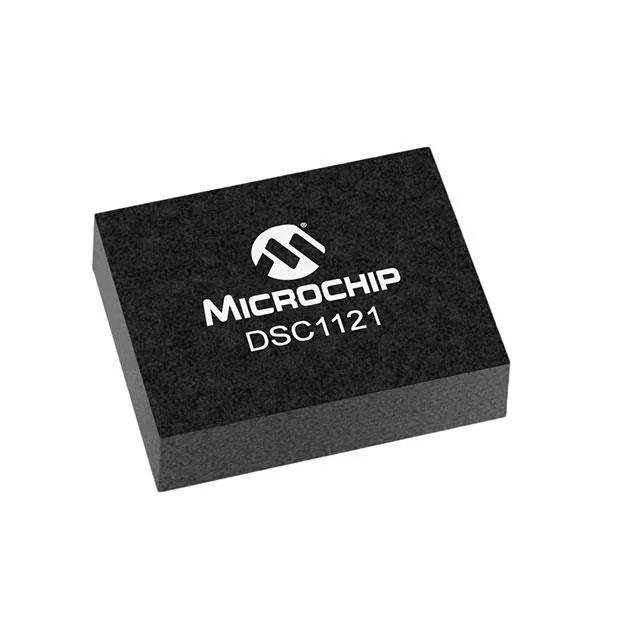
Microchip Technology DSC1121BI1-014.8946T — Crystals & Oscillators

DSC1121BI1-014.8946T MEMS XO 14.8946 MHz CMOS - Microchip

MPNDSC1121BI1-014.8946T
Active

Microchip Technology DSC1121 series, XO (Standard), 14.8946 MHz, CMOS output, ±50ppm stability, -40°C~85°C, 6-VDFN package, tape and reel

Independent supplier — new & surplus stockAuthenticity-screened · ESD-safe packingListing updated Aug 2026

Specifications

DSC1121BI1-014.8946T specifications
ParameterValue
TypeXO (Standard)
SeriesDSC1121
MountingSurface Mount
Supply voltage2.25V ~ 3.6V
Current - supply22mA
Current - supply (Disable)35mA
Frequency14.8946 MHz
Frequency stability±50ppm
Operating temperature-40°C~85°C
Size (Dimension)0.197\" L x 0.126\" W (5.00mm x 3.20mm)
Height - seated0.035\" (0.90mm)
OutputCMOS
PackageTape & Reel (TR)
FunctionEnable/Disable
Base resonatorMEMS
Case6-VDFN

Product details

MEMS oscillator at 14.8946 MHz — what it replaces

Frequency is 14.8946 MHz, a common multiple for USB, Ethernet, and serial-interface reference clocks — the exact frequency matters for PLL lock-range budgeting.

Supply range is 2.25V to 3.6V — covers 2.5V and 3.3V rails without an external LDO; the wide input tolerance simplifies BOM consolidation across multiple voltage domains.

Package is 6-VDFN, 5.00mm x 3.20mm, seated height 0.90mm — standard footprint for MEMS oscillators; the small profile fits under shielding cans or in tight card-edge clearance.

Supplied in Tape & Reel (TR) — standard for automated pick-and-place; store the reels in a dry cabinet if the MSL level requires it (confirm on the reel label).

Frequently asked questions

What is the difference between a MEMS oscillator and a quartz crystal oscillator?

A MEMS oscillator uses a silicon micro-electromechanical resonator instead of a quartz crystal blank. MEMS parts typically have better shock and vibration tolerance, shorter lead times, and no quartz supply volatility. The electrical interface (CMOS output, supply voltage, enable/disable) is identical to a standard XO — the BOM footprint is the same.

How do I enable/disable the output on this oscillator?

The Enable/Disable pin (pin 1 on the 6-VDFN package) controls the output. Drive it high (or leave it floating with the internal pull-up) to enable the clock output; drive it low to disable the output. When disabled, the oscillator core remains powered but the output buffer is tri-stated, drawing 35µA max.