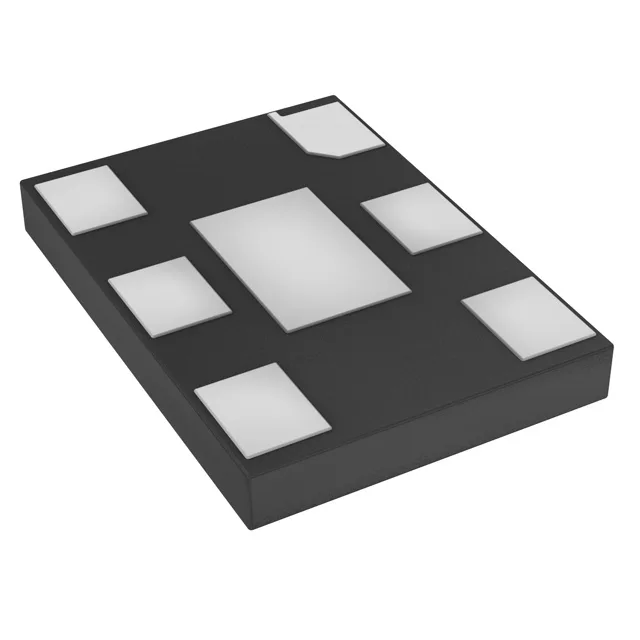
Microchip Technology DSC1121AI2-156.2500 — Crystals & Oscillators

DSC1121AI2-156.2500 XO 156.25 MHz CMOS Oscillator –

MPNDSC1121AI2-156.2500
Active

Microchip Technology DSC1121AI2-156.2500, XO (Standard) 156.25 MHz CMOS output, ±25 ppm frequency stability, 2.25V–3.6V supply, AEC-Q100 qualified, -40°C to 85°C industrial temperature range.

Sourced new & surplus through independent channelsAuthenticity-screened · ESD-safe packingListing updated Aug 2026

Specifications

DSC1121AI2-156.2500 specifications
ParameterValue
TypeXO (Standard)
SeriesDSC1121
MountingSurface Mount
Voltage2.25V ~ 3.6V
Current - supply35mA
Current - supply (Disable)22mA
Frequency156.25 MHz
Frequency stability±25ppm
Operating temperature-40°C ~ 85°C
Size (Dimension)0.276\" L x 0.197\" W (7.00mm x 5.00mm)
Height - seated0.035\" (0.90mm)
OutputCMOS
PackageTube
RatingsAEC-Q100
FunctionEnable/Disable
Base resonatorMEMS
Case6-SMD, No Lead Exposed Pad

Product details

156.25 MHz XO with AEC-Q100 qualification

Rated AEC-Q100, this oscillator is qualified for automotive-grade applications — the 156.25 MHz frequency is a common reference for 10/25/40/100 GbE PHY and MAC timing in automotive Ethernet or industrial switch designs.

Operates from 2.25V to 3.6V, covering 2.5V and 3.3V rails without a separate regulator — the enable/disable function allows the output to be tri-stated, pulling 22 µA max in disable mode versus 35 mA max when enabled. The 6-SMD, no-lead exposed-pad package measures 7.00 mm x 5.00 mm with a seated height of 0.90 mm — the exposed pad improves thermal coupling to the PCB ground plane, which matters in high-ambient automotive environments.

MEMS resonator versus quartz

Frequently asked questions

Is DSC1121AI2-156.2500 compatible with standard 6-pin oscillator footprints?

Yes — the 6-SMD, no-lead exposed-pad package follows the common 7.00 mm x 5.00 mm footprint used by many quartz XOs, making it a drop-in replacement for existing designs that accept that layout.

What is the difference between DSC1121AI2 and DSC1121AI1?

The DSC1121AI2 variant specifies ±25 ppm frequency stability, while the DSC1121AI1 typically specifies ±50 ppm — the AI2 holds tighter timing margin across temperature and voltage, which matters for high-speed serial links where ppm budget is tight.