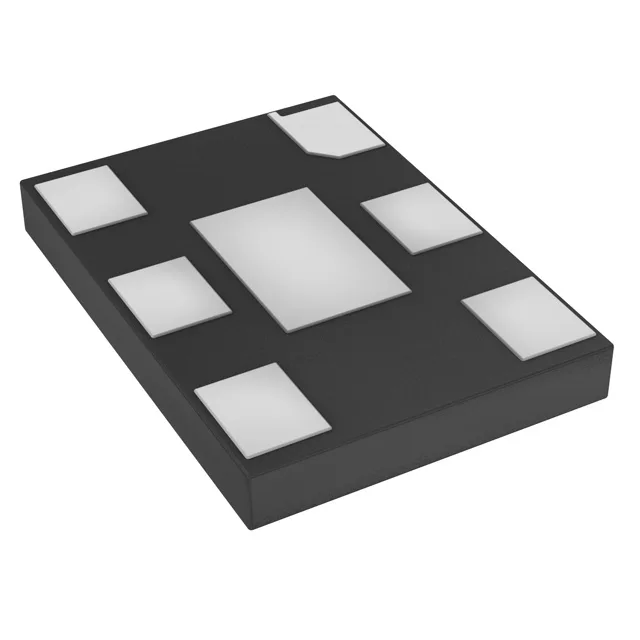
24.576 MHz with AEC-Q100 — why this MEMS oscillator fits automotive and industrial clocks
Its AEC-Q100 qualification means this part has passed automotive-grade stress tests — temperature cycling, ESD, and latch-up — making it suitable for under-hood and cabin electronics where a quartz oscillator might fail under vibration or thermal shock. The MEMS base resonator inherently resists shock and microphonics better than a quartz crystal, which matters for engine control units, ADAS cameras, and infotainment modules that see constant vibration.
New designs can commit to this part without worrying about a sudden obsolescence-driven board spin. No minimum order constraints beyond standard reel or tube multiples.
The oscillator operates from 2.25 V to 3.6 V, covering common 2.5 V and 3.3 V logic rails without an external LDO. This wide range also absorbs rail ripple up to 200 mV without losing lock. The enable/disable function lets a GPIO or power-management IC gate the clock output. When disabled, the supply current drops from 35 mA max to 22 mA max — useful for sleep-mode power budgets in battery-backed ECUs.