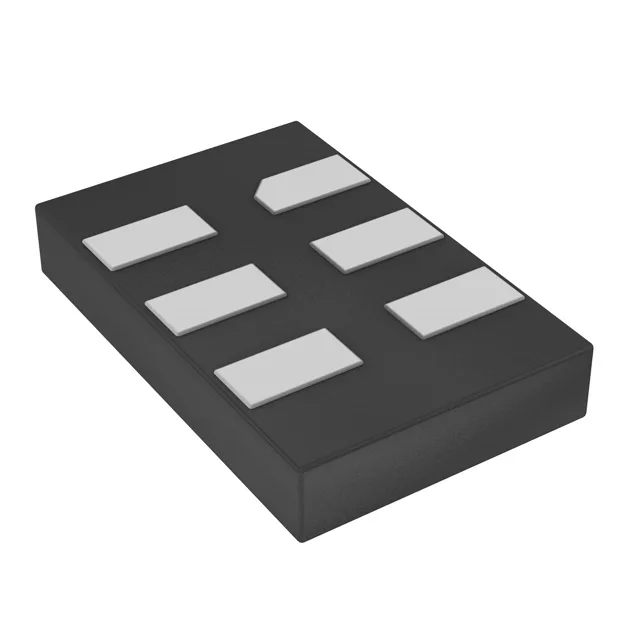
Microchip Technology DSC1103BI1-075.0000T — Crystals & Oscillators

DSC1103BI1-075.0000T MEMS XO, LVDS, 75 MHz

MPNDSC1103BI1-075.0000T
Active

Microchip DSC1103 series, XO (Standard), MEMS resonator, LVDS output, 75 MHz, ±50 ppm stability, 2.25V–3.63V supply, -40°C to 85°C, 6-VDFN package.

Sourced new & surplus through independent channelsAuthenticity-screened · ESD-safe packingListing updated Aug 2026

Specifications

DSC1103BI1-075.0000T specifications
ParameterValue
TypeXO (Standard)
SeriesDSC1103
MountingSurface Mount
Voltage2.25V ~ 3.63V
Current - supply32mA
Current - supply (Disable)95µA
Frequency75 MHz
Frequency stability±50ppm
Operating temperature-40°C ~ 85°C
Size (Dimension)0.197\" L x 0.126\" W (5.00mm x 3.20mm)
Height - seated0.035\" (0.90mm)
OutputLVDS
PackageTape & Reel (TR)
FunctionStandby (Power Down)
Base resonatorMEMS
Case6-VDFN

Product details

MEMS oscillator at 75 MHz with LVDS output

The DSC1103BI1-075.0000T is a MEMS-based XO (Standard) from Microchip's DSC1103 series, delivering a 75 MHz LVDS clock from a 6-VDFN surface-mount package. The wide supply range of 2.25V to 3.63V lets it run from common 2.5V or 3.3V rails without an extra regulator.

Industrial temperature range and stability

Frequency stability of ±50 ppm over temperature and supply keeps the clock within tight tolerance for 100BASE-TX Ethernet, PCIe reference clocks, and FPGA transceiver links.

6-VDFN package and board integration

The 6-VDFN package measures 5.00 mm x 3.20 mm with a seated height of 0.90 mm — a compact footprint for space-constrained PCBs.

Frequently asked questions

How can I order DSC1103BI1-075.0000T or check availability?

The DSC1103BI1-075.0000T is an active Microchip part. Submit an RFQ for current pricing and lead time confirmation.

What is the difference between MEMS and crystal oscillators for this part?

The DSC1103BI1-075.0000T uses a MEMS resonator instead of a quartz crystal. MEMS oscillators typically offer faster startup, better shock resistance, and shorter lead times than equivalent quartz-based XOs, while maintaining ±50 ppm stability over the industrial temperature range.

How does the standby power down function work?

The standby (power down) function disables the output and internal oscillator, reducing supply current to 95 µA max. The output enters a high-impedance state, allowing the clock line to be shared or tri-stated during sleep modes.